A Traveler’s Guide to Wellbeing, Family Activities, and Practical Resources During Covid-Era Journeys

Travel has changed significantly since the arrival of Covid-19, but with thoughtful planning, it can still be meaningful, restorative, and safe. Whether you are exploring a new city, visiting family abroad, or taking a local retreat, looking after mental health, staying active, and planning daily logistics are now as important as booking flights. This guide offers practical ideas inspired by Covid-era resources, adapted for travelers who want to balance safety, wellbeing, and enjoyment on the road.

Mental Wellbeing on the Road in the Covid Era

Heightened health protocols, testing requirements, and changing regulations can make modern travel emotionally draining. Jet lag, uncertainty, and information overload add to the stress. Building a simple wellbeing plan before you leave can help you stay grounded and enjoy your trip instead of feeling constantly on edge.

Create a Personal “Calm Kit” for Your Trip

Even short journeys can benefit from a small mental health toolkit tailored to you. Consider including:

  • A short list of grounding exercises you can do in an airport lounge, hotel room, or quiet park.
  • Offline playlists of calming music, meditations, or nature sounds for times without reliable internet.
  • A small notebook to track moods, worries, and highlights of the day.
  • Favorite photos or quotes saved on your phone for an instant emotional lift.

Treat this kit as essential travel gear, alongside your passport and hand sanitizer.
Managing Anxiety About Health and Safety While Traveling

Health worries are common when passing through airports, staying in shared accommodations, or using public transport. To ease this anxiety:
  • Stay updated on the latest health guidelines for both your departure point and destination before you travel, then avoid constant checking once on the road.
  • Prepare a simple routine: mask when appropriate, regular handwashing, and mindful distancing where possible.
  • Focus on what you can control—your behavior, hygiene, and planning—rather than variables like policy changes or other people’s choices.
  • Schedule brief tech-free breaks each day to reduce news and social media overload.

Accepting that some uncertainty is unavoidable allows you to shift attention back to the experiences, cultures, and landscapes you came to explore.

Planning Daily Life on the Road: Food, Fitness, and Fun

Covid-related restrictions influenced how travelers access food, stay active, and enjoy their surroundings. Many of the solutions that emerged—like grocery delivery and online workouts—can be powerful tools for flexible, lower-stress travel.

Using Grocery and Meal Delivery Services While Traveling

When exploring a new city, it is not always practical or comfortable to eat every meal in crowded spaces. Modern online grocery and meal delivery services can support both safety and budget-conscious travel. You can:

  • Order breakfast basics—fruit, yogurt, coffee, and snacks—to your accommodation for a calmer start to the day.
  • Stock up on local specialties from online marketplaces to sample regional flavors without navigating packed shops at peak hours.
  • Plan a picnic in a nearby park with delivered ingredients, combining outdoor safety with a sense of place.

This approach is especially helpful for longer stays, slow travel, or digital nomads using a city as a temporary base.

Online Workouts for Travelers: Staying Active Anywhere

Gym access can be unpredictable when traveling, and in some regions, restrictions may still be in place or routines disrupted. Online workout platforms and streaming classes allow you to:

  • Follow bodyweight routines in your hotel room or vacation rental, no equipment required.
  • Join live virtual classes in your home language, offering familiarity when you are abroad.
  • Use short mobility or stretching sessions to recover after long flights or road trips.

Combining quick indoor workouts with outdoor exploration—such as walking city neighborhoods, climbing viewpoints, or hiking local trails—keeps both body and mind in balance.

Traveling With Children: Learning and Entertainment on the Go

Exploring the world with children during the Covid era requires extra creativity. Many education-focused platforms and playful learning tools originally developed for at-home use can easily adapt to travel, turning trains, planes, and hotel rooms into mini-classrooms and play zones.

Educational Resources for Kids While Traveling

If your itinerary overlaps with school time, or you are undertaking long-term travel, structured learning can help children stay engaged and on track. Consider:

  • Online “learn at home” portals that offer curriculum-aligned lessons you can access from anywhere, useful for maintaining continuity between destinations.
  • Teacher-created activity sets focused on reading, writing, and science experiments that can be done with minimal materials.
  • Story-based math apps or "math storytime" platforms that turn numbers into interactive tales—perfect for flights or train journeys.

Mix short digital lessons with real-world experiences: counting local coins at markets, reading signs in another language, or exploring museums, parks, and libraries.

Low-Cost Fun and Creative Play on the Road

Travel does not need to be expensive to be memorable for children. Covid-era parenting resources that focused on entertaining kids “on a dime” translate well to budget-conscious family trips. Ideas include:

  • Scavenger hunts through city squares or historic districts using a simple checklist of colors, animals, and landmarks.
  • DIY crafts with items picked up along the way, such as ticket stubs, maps, or postcards.
  • Story-building games where each person adds a line inspired by what they see outside the train window.

These activities help children process new environments, reduce travel-related anxiety, and create shared memories that go beyond taking photos.

Using Libraries and Cultural Institutions as Travel Sanctuaries

Public libraries and cultural centers around the world became digital lifelines during the height of Covid restrictions, expanding their collections of ebooks, audiobooks, and learning tools. For travelers, these institutions remain invaluable, both online and in person.

Digital Libraries as a Traveler’s Companion

Many major library systems provide free or low-cost access to large collections of ebooks, language-learning resources, research databases, and children’s literature. Before you depart, you can:

  • Download travel guides and local history books to better understand your destination.
  • Borrow novels set in the cities you will visit, enriching your sense of place.
  • Save offline audiobooks for long bus rides or layovers.

These resources help you engage more deeply with each location, even when you are spending more time indoors due to health or weather concerns.

Visiting Local Libraries for Quiet and Connection

Once at your destination, local libraries can serve as calm, affordable retreats from the bustle of tourist zones. They often offer:

  • Quiet reading rooms ideal for remote work or reflective breaks.
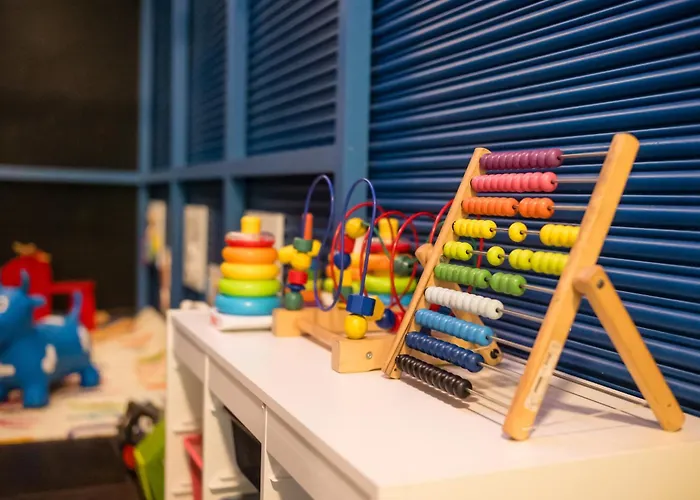
  • Children’s corners where young travelers can unwind with books and simple activities.
  • Exhibitions, talks, or cultural events that reveal aspects of local life beyond the typical sightseeing circuit.

Respect any remaining health protocols, and treat these spaces as shared community hubs that allow you to observe everyday life in a new place.

Staying Flexible and Informed in a Changing Travel Landscape

Rules and expectations for travelers continue to evolve. Even as restrictions ease in some areas, others may reintroduce guidelines during outbreaks or seasonal surges. Building flexibility into your plans supports both safety and mental ease.

Practical Tips for Covid-Era Travel Planning

To reduce stress and last-minute scrambling:

  • Favor bookings—transport, activities, and stays—that offer clear change or cancellation policies.
  • Allow buffer days in your itinerary for unforeseen testing, rest, or schedule shifts.
  • Keep digital copies of key documents such as vaccination proof, test results, and travel insurance details.
  • Review health and entry requirements shortly before departure, then avoid constant checking unless you are notified of changes.

Approaching your trip with a flexible mindset helps transform disruptions into opportunities—to discover a new neighborhood, linger in a café, or explore a nearby park you might otherwise have missed.

Balancing Exploration With Rest

More than ever, thoughtful travel involves pacing yourself. Instead of packing every day with activities, build in time for recovery: easy walks through local streets, quiet evenings reading, or simple home-cooked meals in your lodging using ingredients from a nearby delivery service or market. This slower rhythm often reveals subtler details of a place and supports longer-term wellbeing.

By combining practical Covid-era tools—grocery delivery, online fitness, digital learning, and library access—with mindful routines and flexible planning, modern travelers can navigate the ongoing shifts in global travel while still finding joy, connection, and personal growth wherever they go.

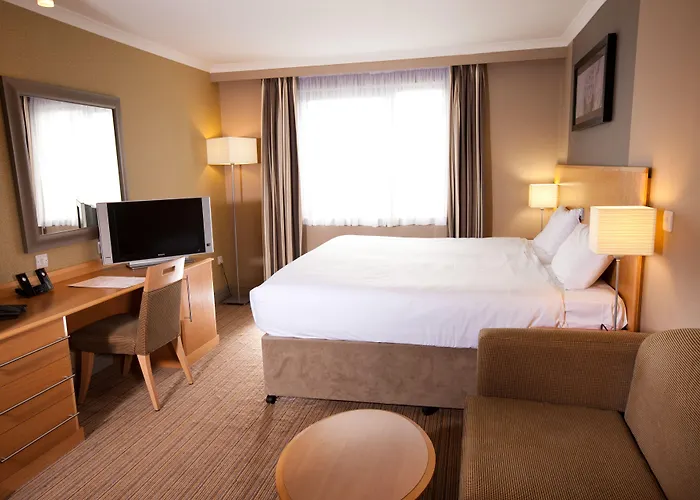
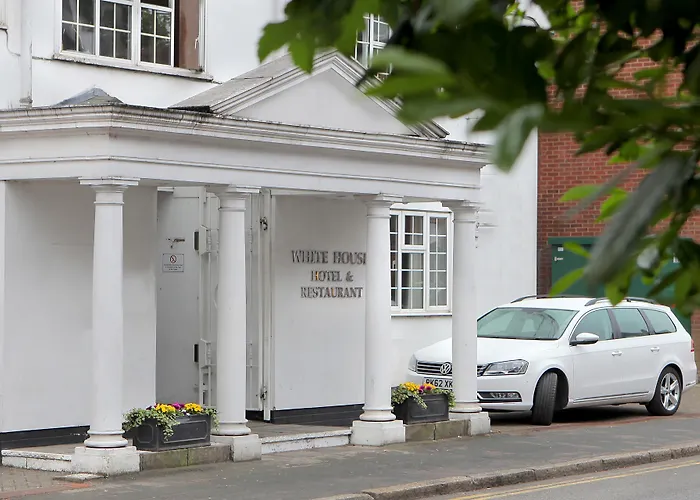
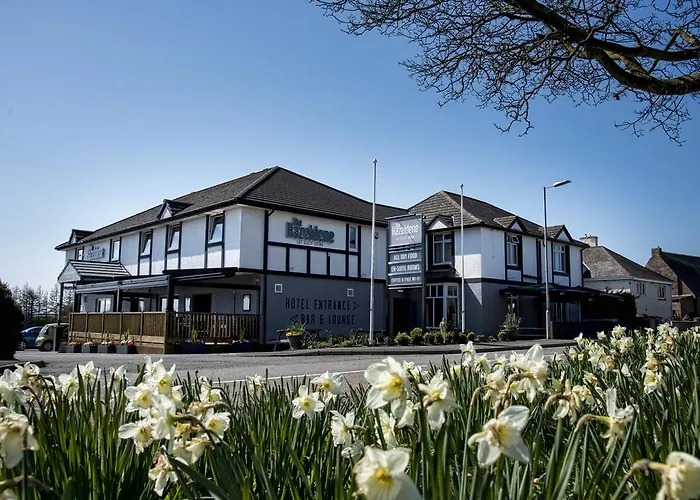
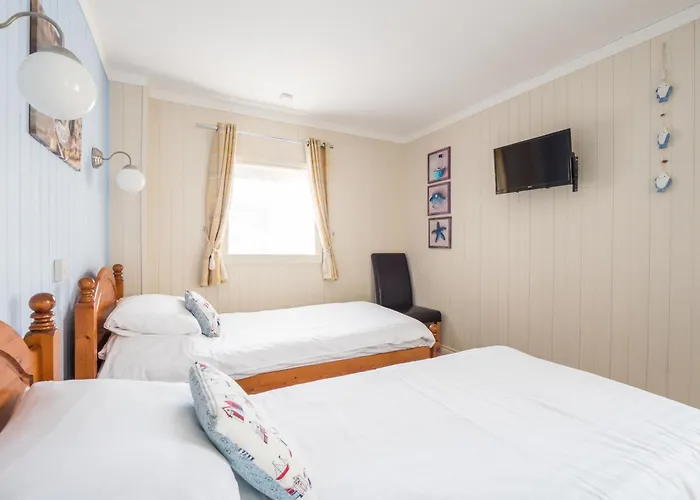
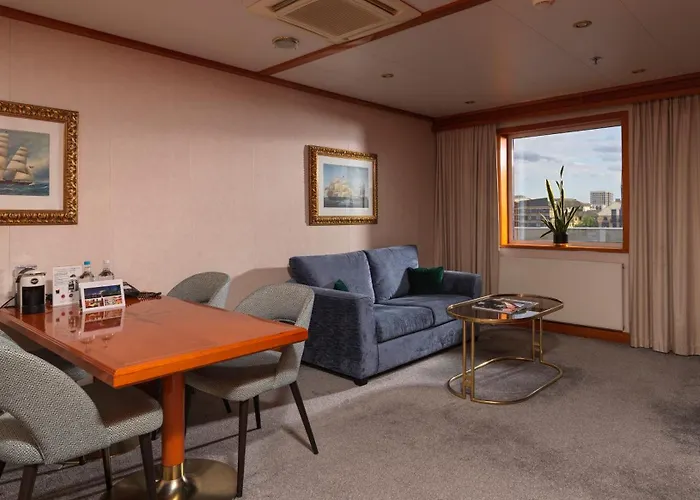
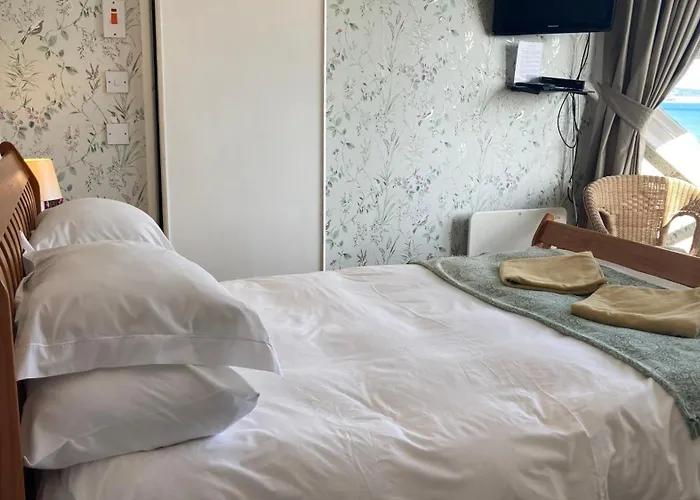
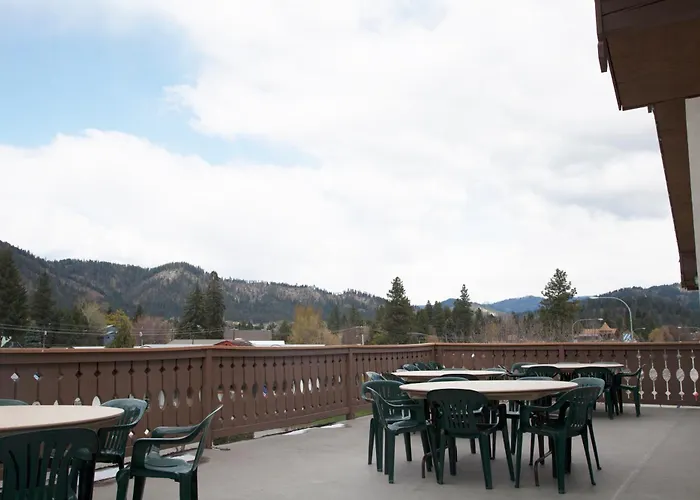
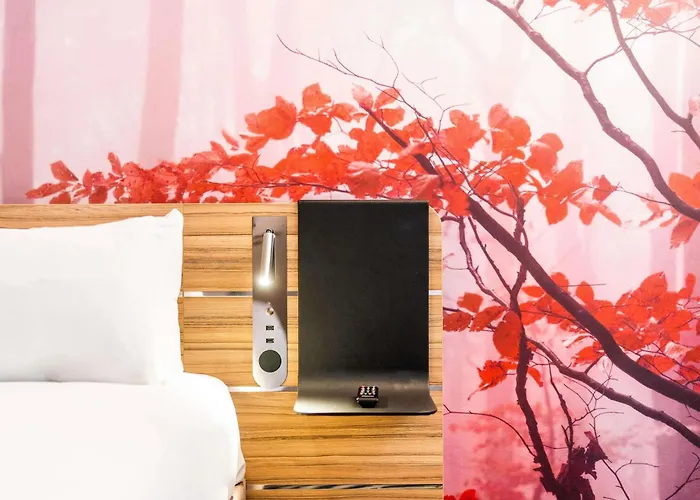
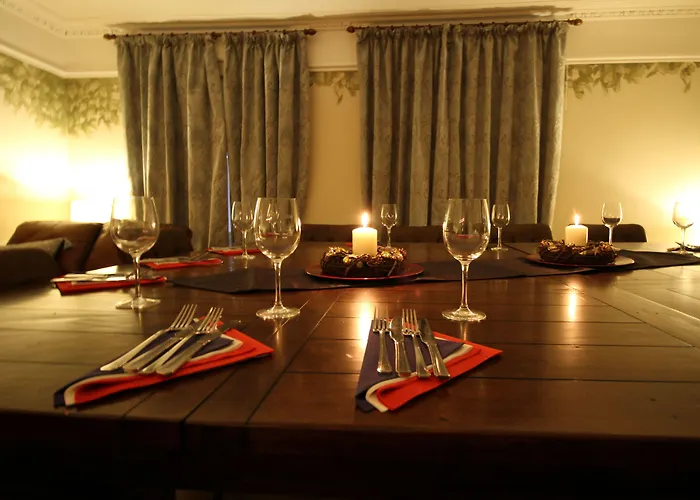
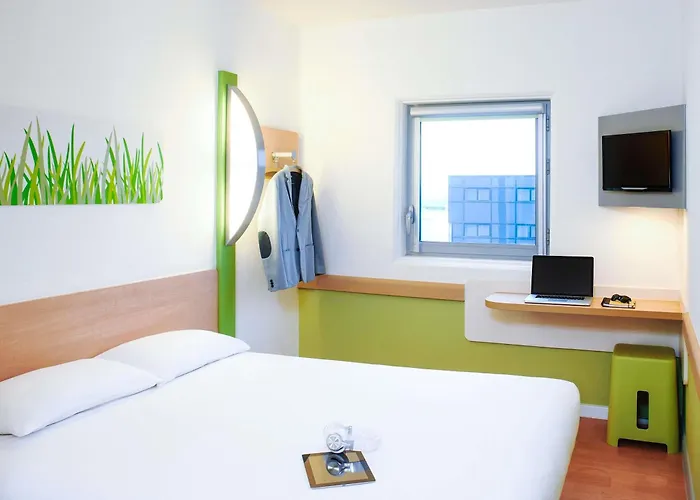
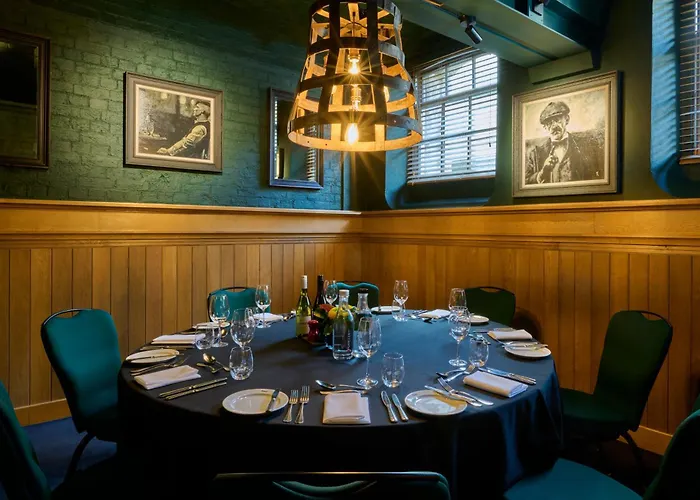
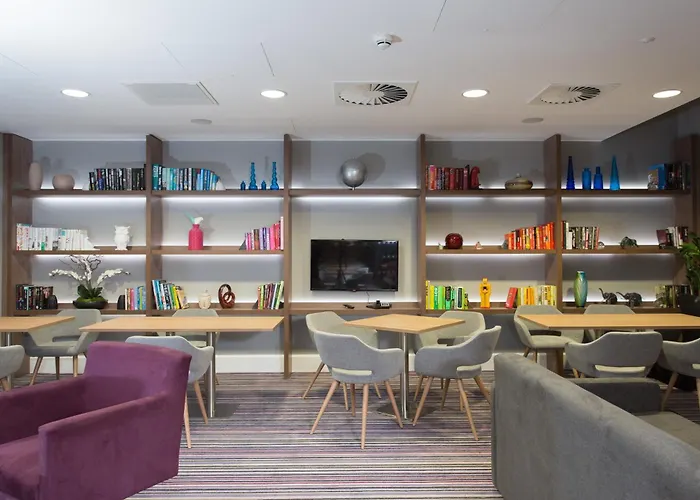
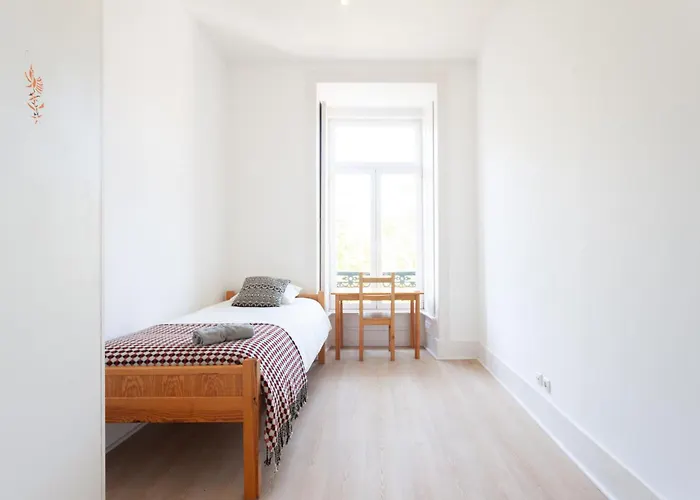
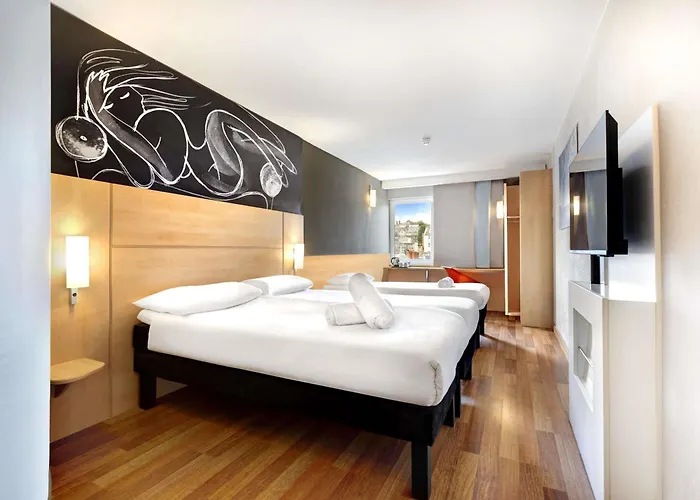
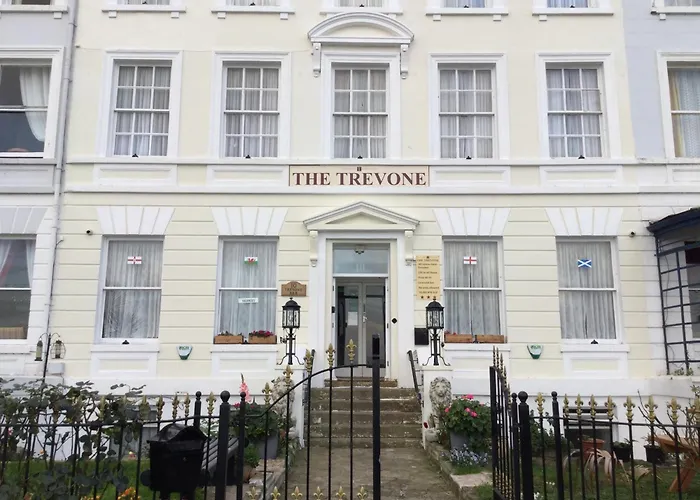
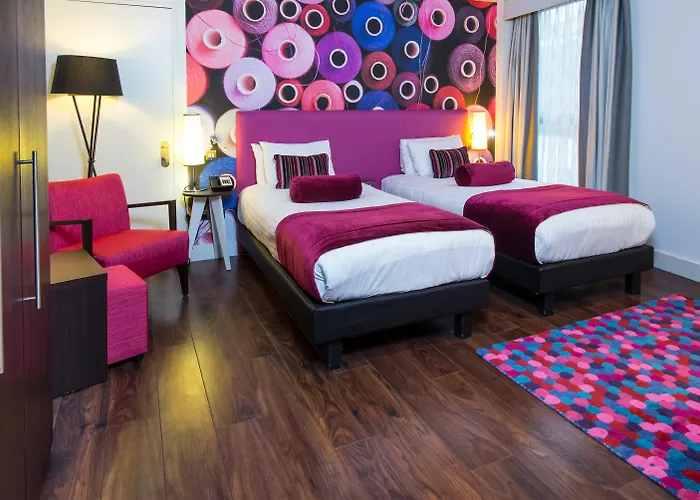
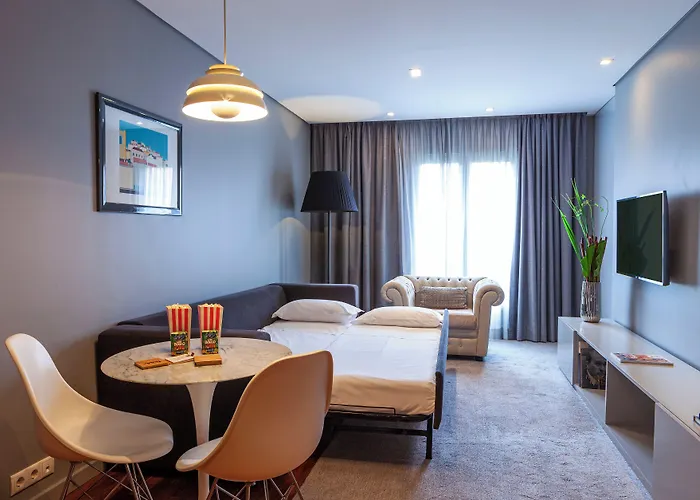
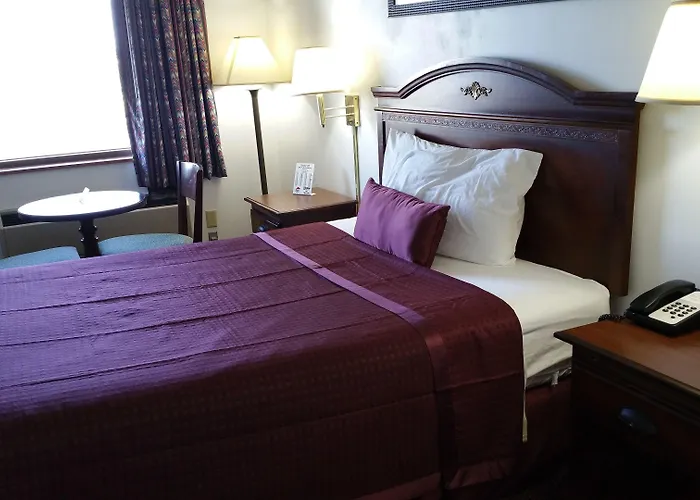
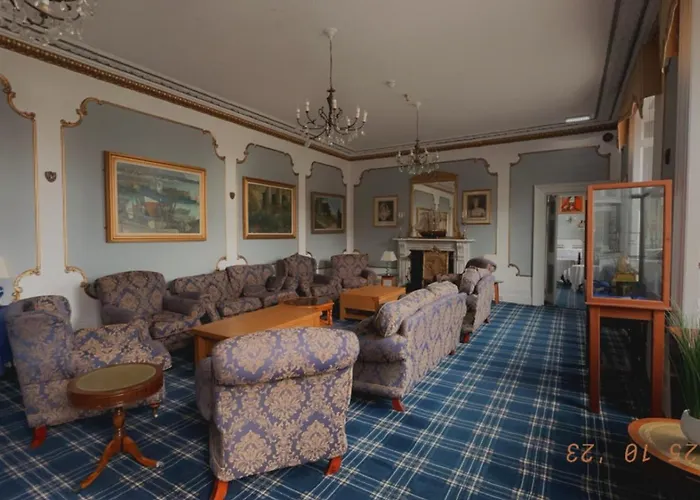
Choosing the right place to stay plays a central role in how well you can apply these wellbeing and flexibility strategies. Look for hotels, guesthouses, or apartment-style accommodations that offer free cancellation where possible, reliable internet access for online workouts and learning tools, and at least a small kitchenette or fridge if you plan to rely on grocery delivery for some meals. Family-friendly stays with quiet corners, outdoor spaces, or proximity to parks make it easier for children to relax between adventures, while properties near libraries, markets, and walking routes allow adults to balance exploration with rest. Prioritizing comfort, cleanliness, and access to basic amenities helps turn your accommodation into a calm base from which you can adapt gracefully to any Covid-related changes during your journey.