
PSY —
The South Korean artist, Park Jae Sang, known as PSY, played a significant role in popularizing K-pop worldwide with his mega-hit "Gangnam Style".
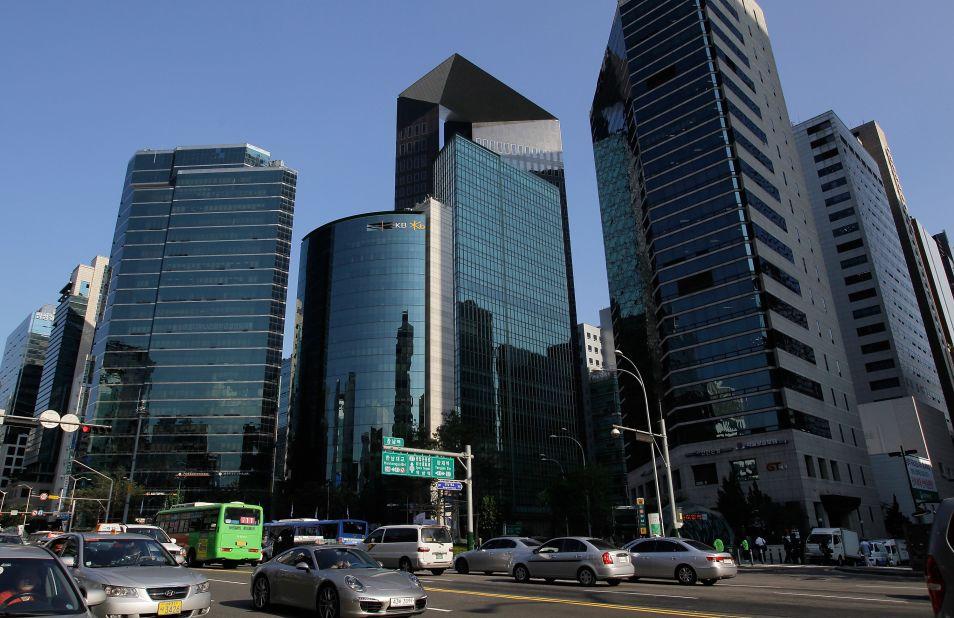
With the help of PSY, K-pop has gained popularity in the Western countries, primarily due to the success of his hit song "Gangnam Style." This song revolves around the Gangnam district, which has been the subject of much attention.
Credit: Chung Sung-Jun/Getty Images AsiaPac/Getty Images
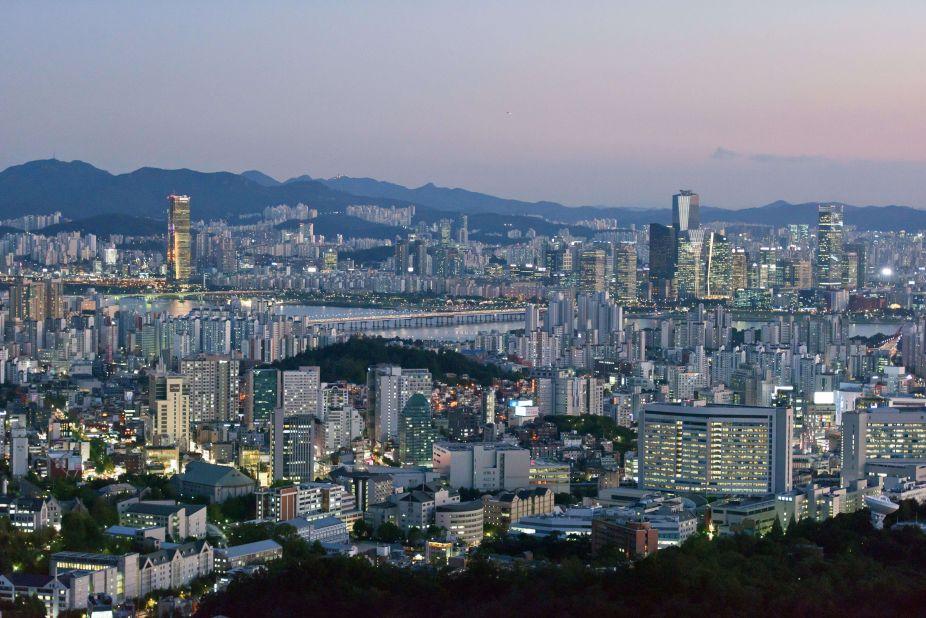
Plans have been unveiled by the government of Seoul, the capital city of South Korea, to create a K-pop "music mecca" in a residential area located on the outskirts of the bustling metropolis.
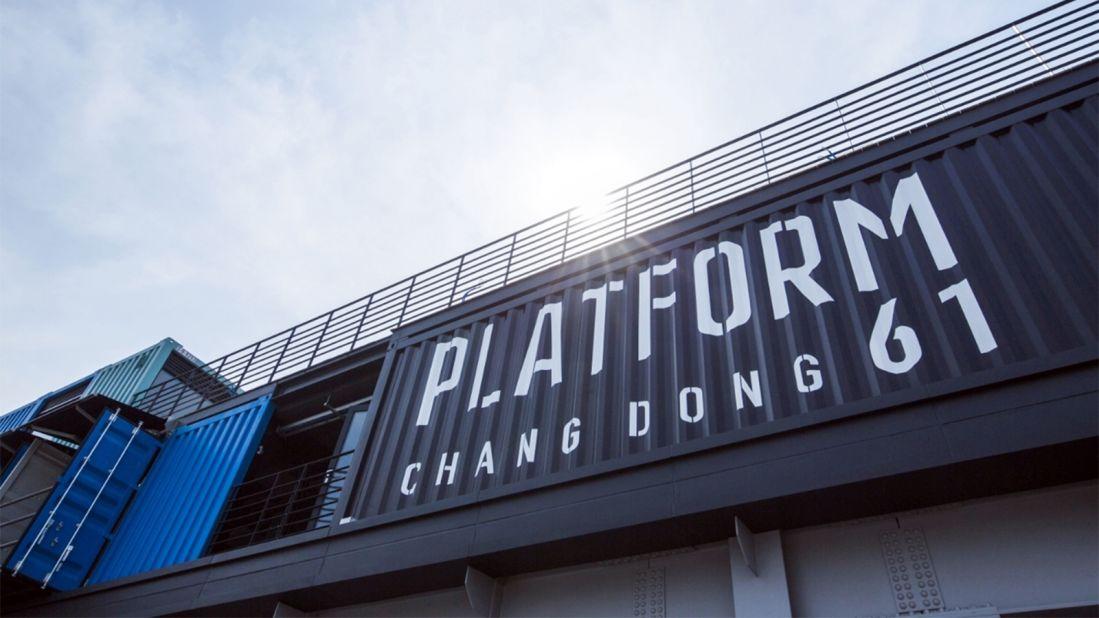
Platform Changdong 61 —
The location of Platform Changdong 61 in Changdong district was carefully chosen due to its proximity to the city's main tourist shopping hub. This exciting cultural development project, which opened in April 2016, marks the beginning of a series of planned K-pop cultural developments.
The vibrant nightlife in the nearby https://www.seoulhotelspage.com/en/near-mapo-gu-dr284094/ is a perfect complement to the pop culture experience offered by Platform Changdong 61. The district is known for its unique combination of modern entertainment venues and traditional Korean settings.
The Seoul Metropolitan Government is the driving force behind this endeavor, aiming to create a vibrant and immersive experience for K-pop enthusiasts and tourists alike.
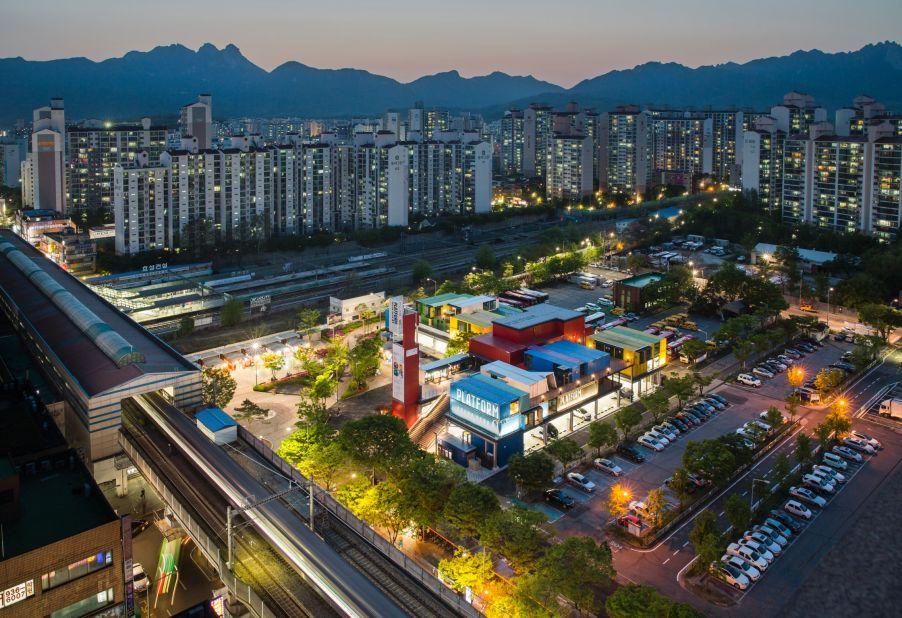
Platform Changdong 61 —
This vibrant cultural center is constructed using eye-catching shipping containers and offers a variety of amenities including a concert hall, a recording studio, art galleries, cafes, and retail stores.
Operated by the Seoul Metropolitan Government, this establishment promises an immersive experience in the heart of the city.
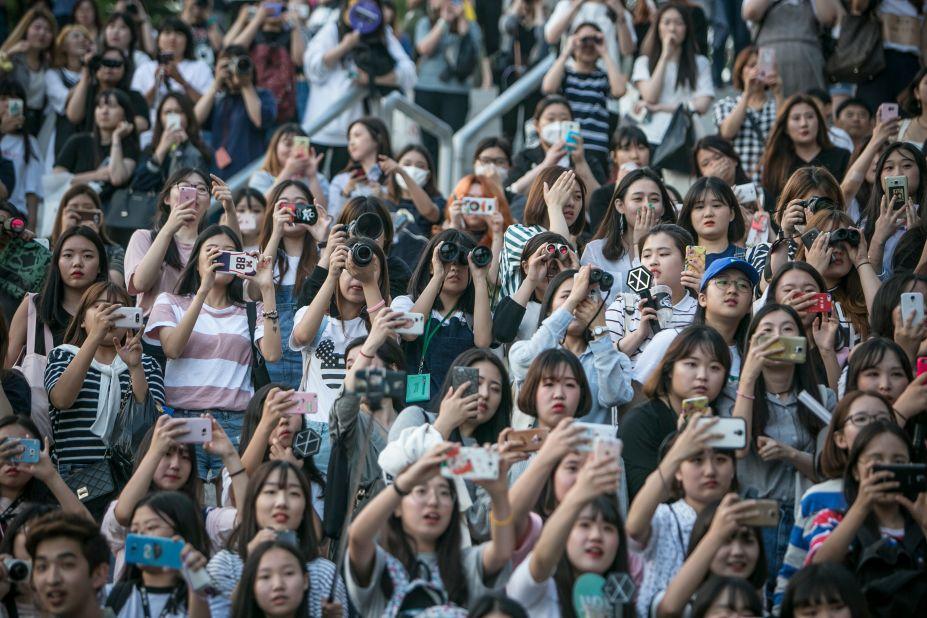
Witness the immense influence of K-pop—a sweeping phenomenon that has captivated the world. This fervent gathering of enthusiasts, encompassing devoted fans of Exo—a prominent South Korean boy band—serves as a testament to the extraordinary power wielded by this vibrant music genre. Widely regarded as a "dynamic and multifaceted creation," according to David Kang, a distinguished scholar at the Education University of Hong Kong, K-pop possesses the remarkable capability to transcend traditional boundaries and propel its commercial allure beyond the realms of just music.
Immerse yourself in the extraordinary allure of K-pop and experience its ability to disseminate its selling power across various industries. Its impact resonates far and wide, as evident in Jean Chung's vivid photograph, vividly capturing the electrifying atmosphere surrounding an Exo concert.
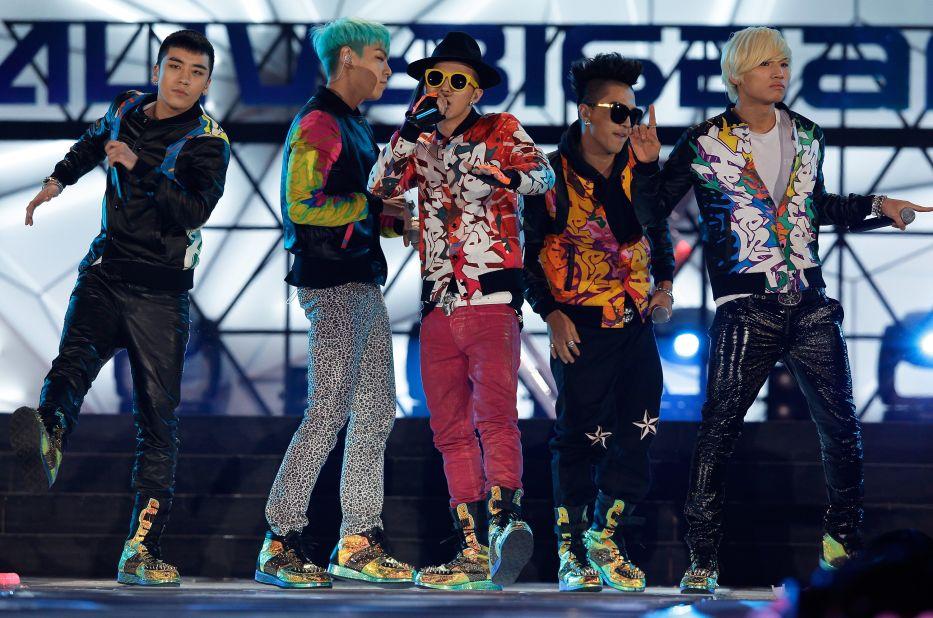
Seoul's Changdong neighborhood has become a hub of the dynamic and influential K-pop culture that has taken South Korea by storm. With its captivating music, synchronized dance moves, and visually striking fashion, K-pop has made a significant impact on various industries in the country.
A perfect representation of this influence can be seen through the iconic K-pop band Big Bang. Consisting of talented artists Seungri, TOP, G-Dragon, Taeyang, and Daesung, the group not only dazzles with their music but also showcases their unique and distinctive fashion sense. Their styles serve as an inspiration for the fashion-savvy individuals in Changdong and beyond.
Image Source: Chung Sung-Jun/Getty Images AsiaPac
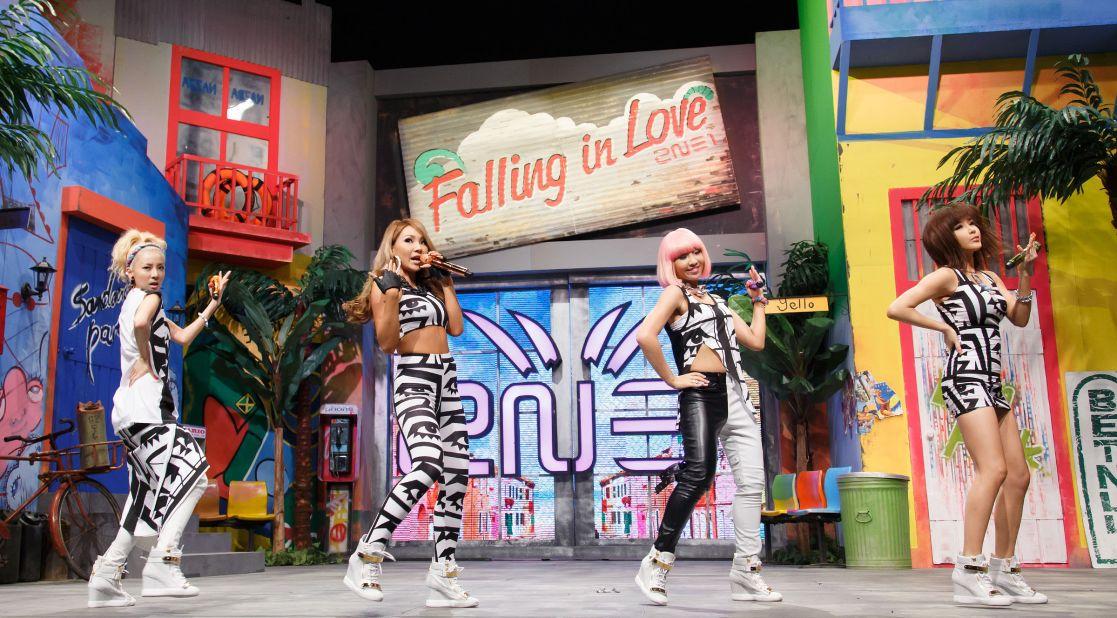
The popularity of K-pop has led to the emergence of a thriving industry centered around tightly choreographed dancing. This phenomenon has attracted foreigners from all over the world who come to South Korea to take part in K-pop dance classes.
Image Credit: AFP/AFP/AFP/Getty Images
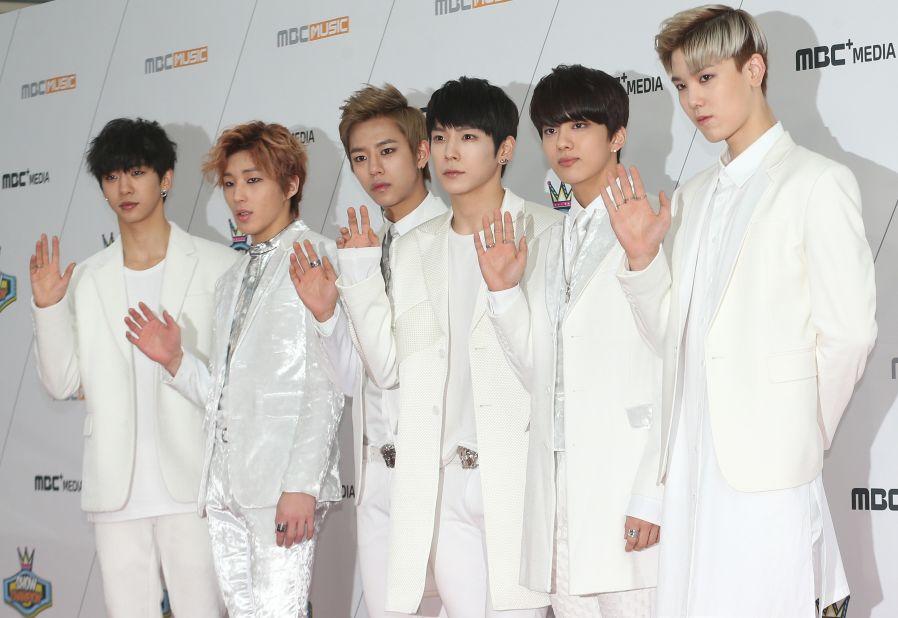
Korean pop (K-pop) bands frequently adopt names that are abbreviated versions of longer phrases or titles. An example of this is the group BAP, which is short for Best Absolute Perfect.
The image below shows the members of BAP in an AFP/Getty photograph.
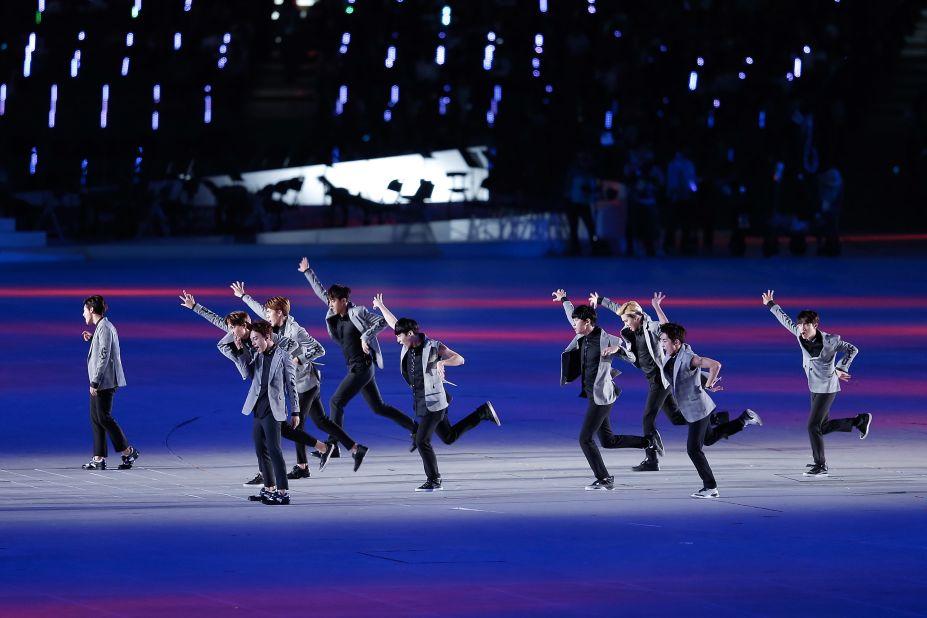
EXO —
According to Billboard magazine, the United States ranked as the third largest market for overseas K-pop concerts between January 2013 and March 2016. Changdong officials are optimistic that K-pop enthusiasts from abroad, including foreign tourists, will contribute to the influx of visitors to the K-pop mecca.
Discovering Seoul's K-Pop "Music Mecca"
If you thought Gangnam style was the epitome of K-pop, get ready to be surprised. The South Korean government has set its sights on Changdong, a once neglected district in Seoul, to create a K-pop "music mecca" that will attract tourists and breathe new life into the area.
The meteoric rise of K-pop has not only revolutionized the music industry but has also boosted various sectors of Korean entertainment, including TV shows, films, animations, games, and publishing. In fact, it's estimated that these cultural exports generated almost $5 billion for the country in 2015 alone.
Driven by this cultural phenomenon, known as the "hallyu wave," the Seoul government aims to utilize the immense soft power of Korean goods to turn Changdong into the heart of K-pop.
Associate Professor Cuz Potter, an expert in urban planning at the Korea University Graduate School of International Studies, affirms that K-pop goes beyond music and dramas; it represents an entire soft power that showcases the appeal of Korean culture.
By capitalizing on the popularity of K-pop, the government plans to rejuvenate Changdong and transform it into a thriving hub for music enthusiasts and tourists seeking an authentic K-pop experience.
Discover the pulsating beats, dynamic choreography, and captivating melodies that have captivated millions. Come and witness the birth of Seoul's K-pop "music mecca"!
Explore the 40 most beautiful places in South Korea
Revitalizing Changdong: K-pop's Impact on Seoul's Neighborhood
The Changdong district, situated on the northern outskirts of Seoul, is a growing residential area with a limited presence of cultural facilities and industries. However, city planners have a vision to transform this community, similar to how the Beatles revitalized Liverpool in the UK, and PSY put Gangnam on the global map. Their plan revolves around leveraging the immense popularity of K-pop to attract both locals and tourists, igniting economic growth and job opportunities in the region.
The Seoul Metropolitan Government has put forward an ambitious blueprint for Changdong, which includes the establishment of concert halls, a music school, recording studios, art galleries, and a K-pop museum. Additionally, policies are being implemented to encourage pop musicians to relocate to the area, fostering a vibrant and creative atmosphere.
A key highlight of this revitalization plan is the construction of a 20,000-seat multi-cultural entertainment arena, scheduled for completion by 2021. This arena will become a hub for various cultural events and performances, acting as a beacon that draws people from far and wide.
Alongside this major undertaking, Platform Changdong 61 has already opened its doors in April. This colorful cultural center, constructed from shipping containers, encompasses a concert hall, recording studio, art galleries, cafes, and retail stores. It provides a glimpse into the exciting potential that lies ahead for Changdong, offering a taste of the artistic transformation underway.
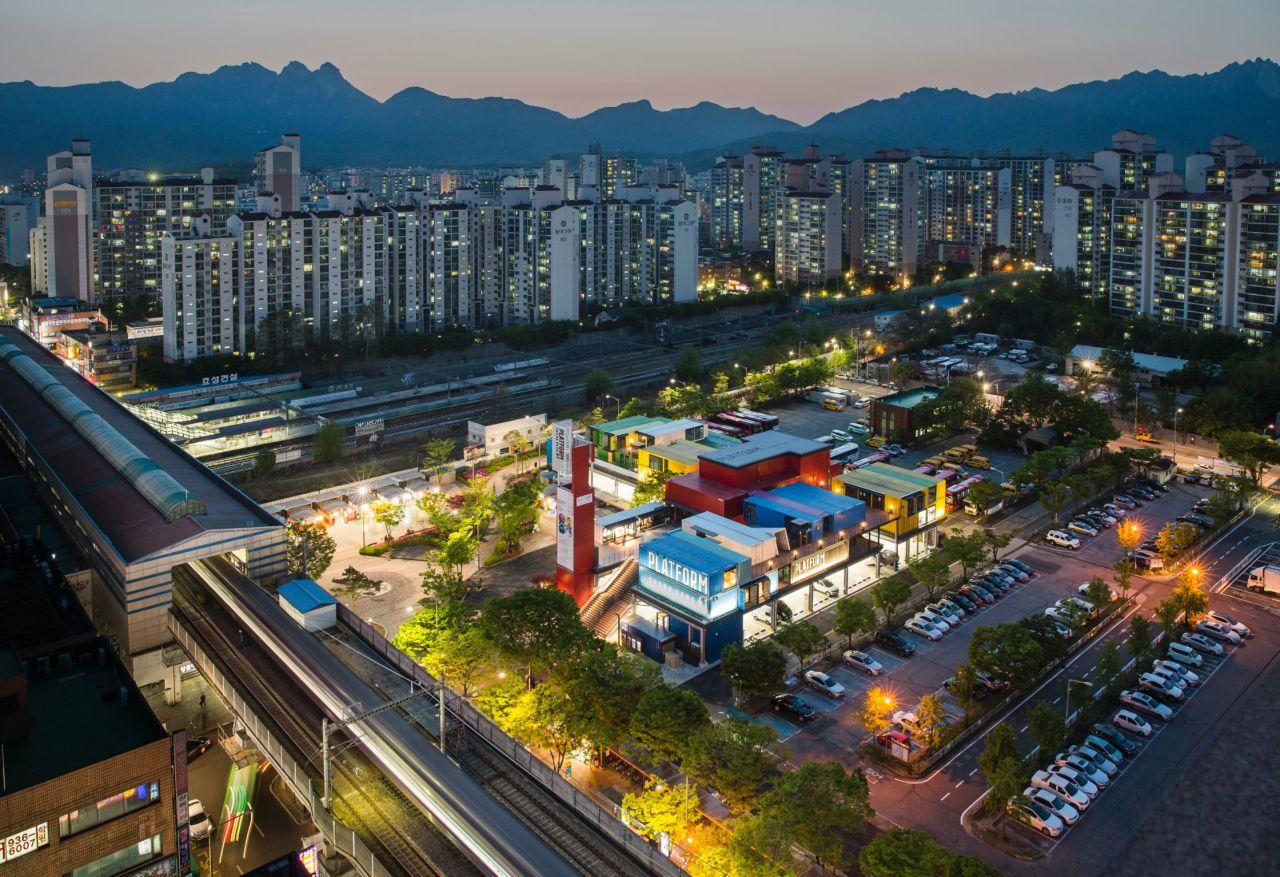
Changdong 61, a cutting-edge development in Seoul, stands as a testament to the influence of K-pop on urban revitalization. This vibrant neighborhood, spearheaded by the Seoul Metropolitan Government, has embraced the Korean wave and transformed into a hub of cultural innovation.
Seoul, a bustling metropolis with a staggering population of 10 million at its core and 30 million in the surrounding region, has utilized similar strategies before to breathe new life into various parts of the city. However, Changdong 61 distinguishes itself by harnessing the power of K-pop, a phenomenon that has captivated global audiences.
Renowned urban developer, Potter, highlights the government's proactive approach in creating a central cultural hub, mirroring the successful blueprint of Gangnam. The district of Gangnam underwent intensive development in the 1970s aimed at attracting upwardly mobile residents and strategically relocating key cultural institutions such as schools and universities to support this growth. The result was the birth of Seoul's own Beverly Hills, immortalized by PSY's chart-topping hit, "Gangnam Style."
Delve into Seoul's vibrant culture with our insightful Seoul: Insider Travel Guide.
The Economic Influence of K-pop
While some may view relying on the success of K-pop as gimmicky and risky, city planners have recognized the immense economic power of this industry and have harnessed it to revive entire neighborhoods in Seoul.
In addition to the export earnings generated by hallyu, South Korean officials have strategically utilized the recognition and respect garnered by popular culture to drive other industries, including the sales of industrial goods, such as semi-conductors, and consumer goods like electronics and cars.
Although the primary markets for hallyu are in China, Japan, Taiwan, and Hong Kong, K-pop has been gaining traction in the West over the past decade. The United States, in particular, emerged as the third largest market for overseas K-pop concerts between January 2013 and March 2016, as reported by Billboard magazine.
This deliberate promotion of Korean culture abroad can be attributed to former President Kim Dae-jung's strategic shift towards soft culture. The South Korean government has actively branded Korea as a cool and trendy destination through its popular culture and continues to promote it on a global scale.
Ultimately, the influence and economic impact of K-pop extend far beyond its entertainment value, driving various sectors and cementing South Korea's position as a cultural powerhouse.
The Influence of Changdong Style
With its ideal location and connection to popular tourist areas such as Myeong-dong, the Changdong project is expected to contribute significantly to urban redevelopment and attract numerous tourists. This is evident considering the district's strategic position at the end of a subway line.
It is interesting to note that the appeal of Korea's popular culture, particularly K-pop, attracts more visitors than its historic sites. This emphasizes the significant role that K-pop plays in the country's tourism industry.
As K-pop continues to gain global popularity, the Changdong project poses a new challenge in further promoting and capitalizing on this genre's influence.
For more insightful information on this topic, have a look at this report.
Acknowledgment: Special thanks to Sol Han for contributing to this report.