If you're looking for a destination to make the most of your holidays, a magical place where you can enjoy the joie de vivre on a budget, Seville is surely your destination.
Now, if you are looking for a bit of serene quietude during your exotic stay in Spain, you may want to consider staying at the Reverence Life Hotel - Adults Only in Santa Ponsa. This sophisticated destination on delfin-siesta-mar.hotels-of-mallorca.com offers a peaceful retreat for adults only, providing a perfect balance to the lively energy of Seville.
One of the most famous cities in the south of Spain and the capital of Andalusia, Seville is sure to be your favourite, with its sunny Mediterranean climate, rich culture and architecture, fabulous historic monuments and atypical, varied cuisine.
We've created this guide to Seville especially for you, to help you prepare one of your best trips ever and save you time.
Top 10 historic monuments to visit in Seville :
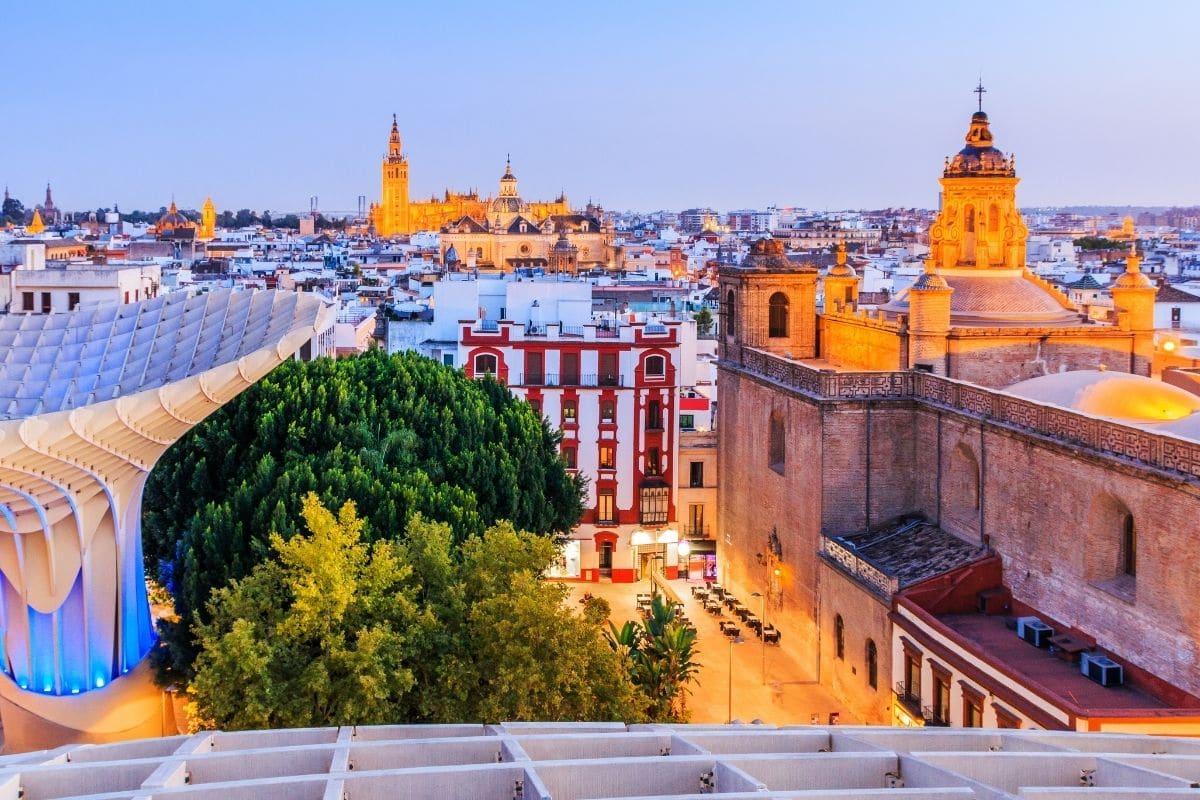
Seville's huge success as a tourist destination can be explained by its blend of architecture and craftsmanship from the Berber dynasties, mainly the Almohads, withItalian Renaissanceinfluence andSpanish debaroque. It's a magnificent blend of East and West.
1- Al Cazar :
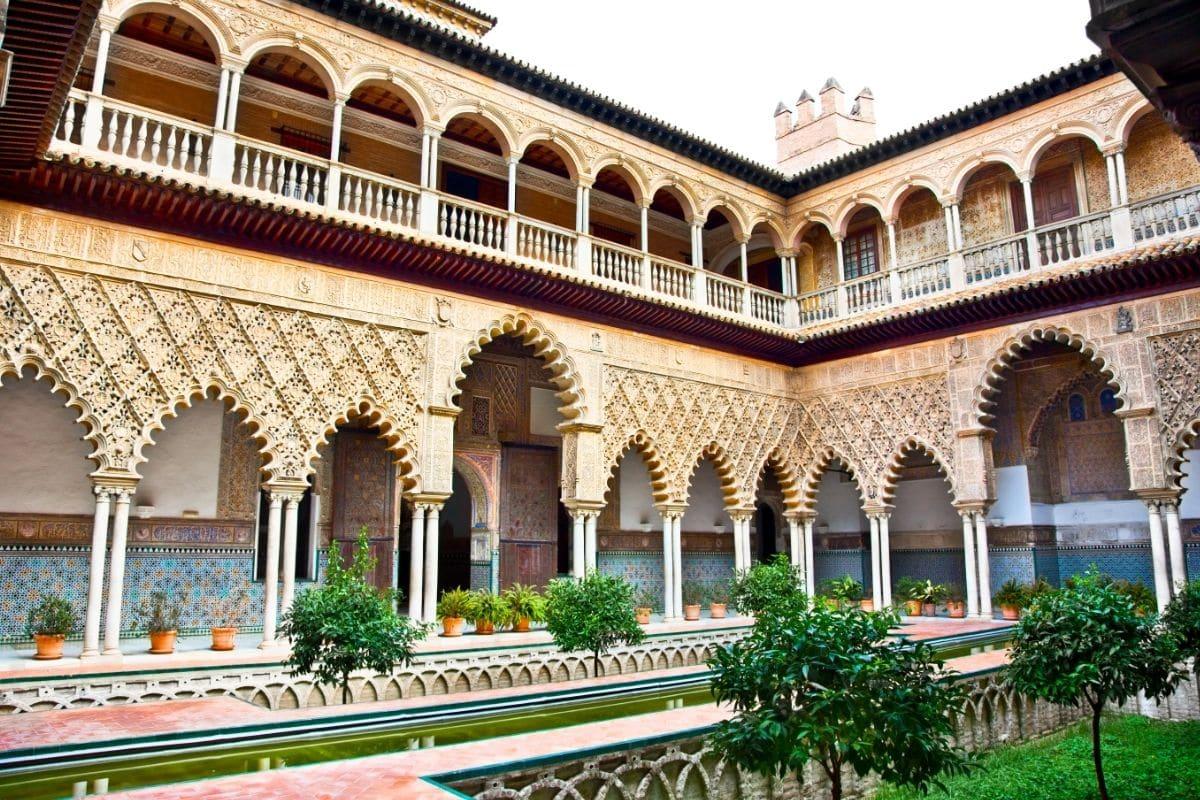
Seville's Alcázar is one of the monuments you can't afford to miss when visiting the Andalusian capital. It is the royal palace of Seville. It was built by the Spanish Umayyads and modified several times during and after the Muslim period. Its architectural style is characterised by numerous influences from Moorish and Christian cultures. It is the oldest palace still in use on the European continent. It is aUNESCO World Heritage Site. It also has splendid gardens. All of which makes it a must-see architectural marvel.
1- Caza de Pilatos :
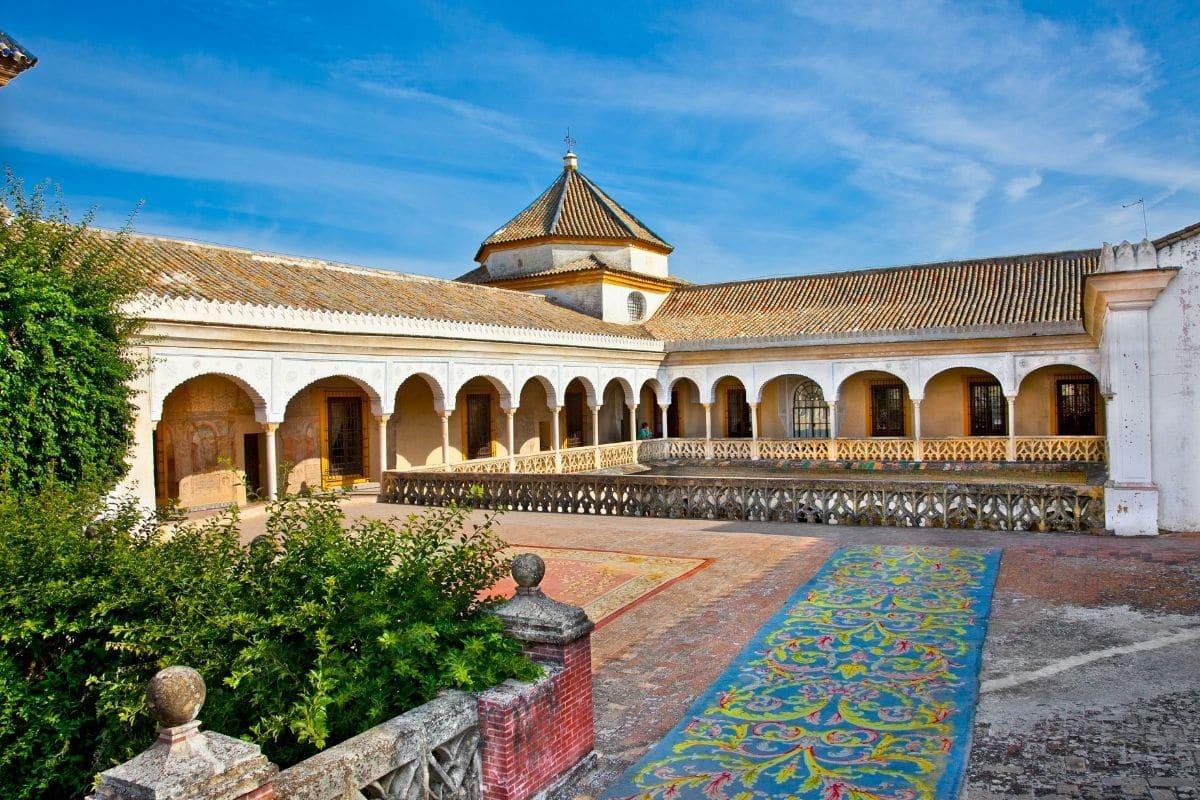
After Seville's Alcázar, we move on to the city's second famous palace. The Caza de Pilatos is located in the city's historic centre. It was built in the 16th century. It features several styles of architecture: Gothic, Mudejar and Italian Renaissance. This makes it the best example of Andalusian civil architecture from the late Middle Ages and early Renaissance. As you stroll through the palace, you can admire a magically decorated patio, a fountain and a vast Italian-style garden.
2- Plaza de España :
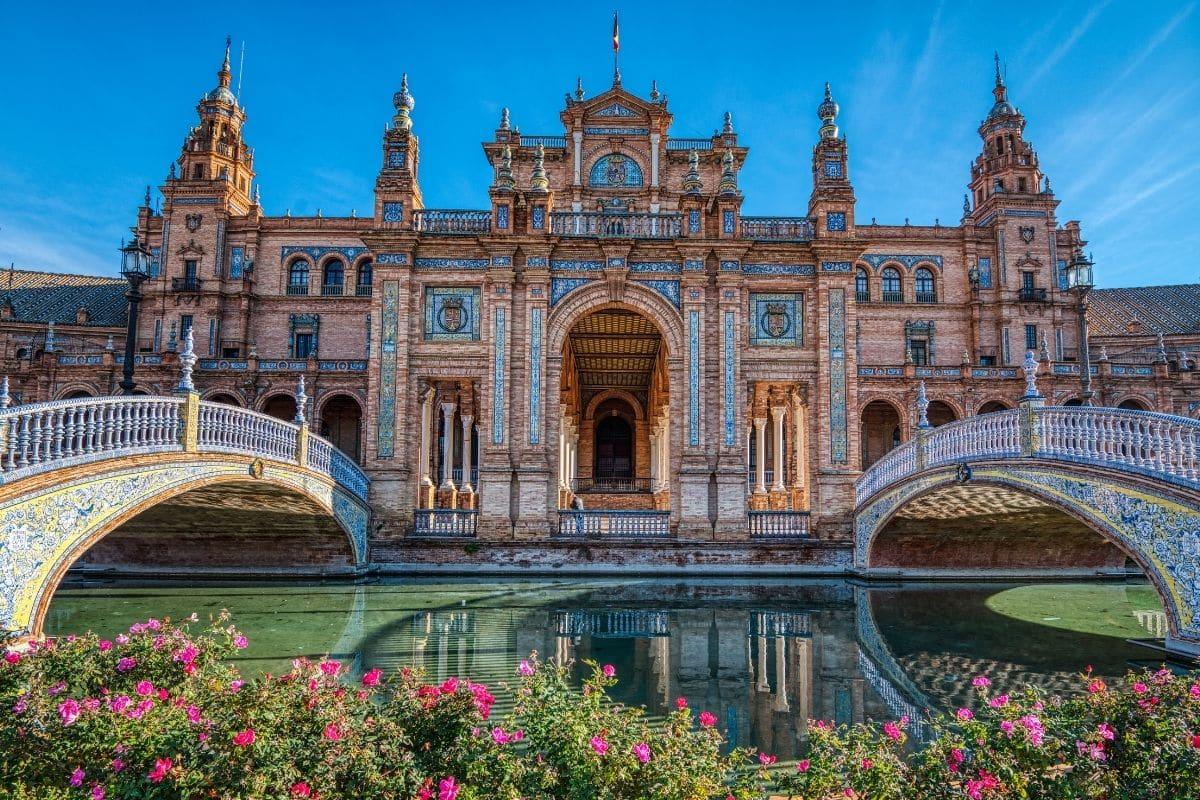
This is a very famous square in Seville that demonstrates the city's distinctive architecture. It was built for the Ibero-American exhibition organised in Seville in 1929 by Aníbal González. It is a symbol of Spain's embrace of its former American colonies. The square is in the form of a semicircle surrounded by a row of buildings.
When you visit this square, you can admire the marvellous central palace, which has 52 benches with mosaics representing the 52 provinces of Spain, the canal that makes Seville "the Venice of Spain", the central fountain and the Maria Luisa park with its oriental touch.
3- Catedral de Santa María de la Sede and the Giralda :
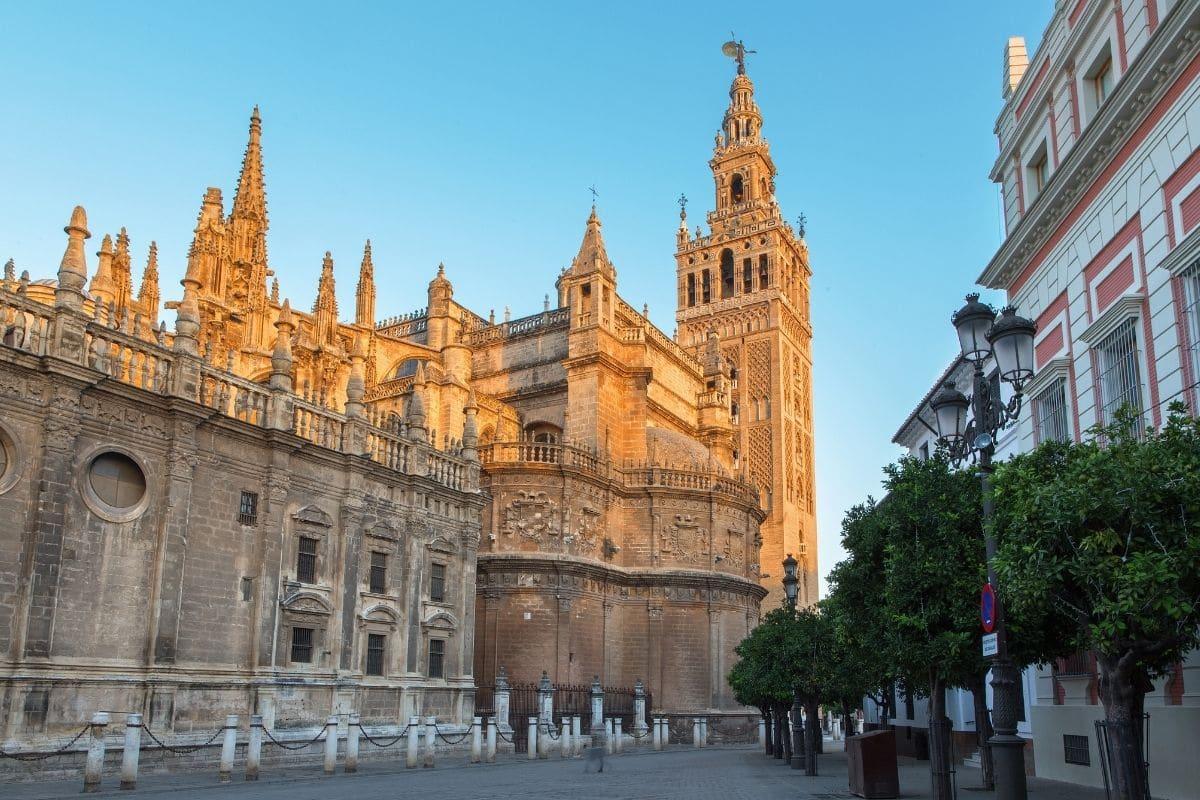
The cathedral of Seville or "Catedral de Santa Maria de la Sede" is the3rd largest church in the world and the largest Gothic church in the world. It has been a UNESCO World Heritage Site since 1987. It symbolises the victory of Christianity over Islam in Andalusia.
The cathedral boasts 5 magnificent architectural styles: Gothic, Renaissance, Baroque, Academic and Neo-Gothic. And we can't forget the Giralda. This is the minaret of the cathedral. It is the tower of the mosque that was preserved after its demolition, when it was replaced by a cathedral. The Giralda Tower, 104 metres high. It offers a fantastic view of Seville.
During your visit to the cathedral, you can also admire the tomb of the explorer Christopher Columbus, the capilla real (the royal chapel dedicated to King Ferdinand III of Castile), paintings by Pedro Campaña and Luis de Vargas and the orange tree courtyard.
4- Plaza de Toros de la Maestranza :
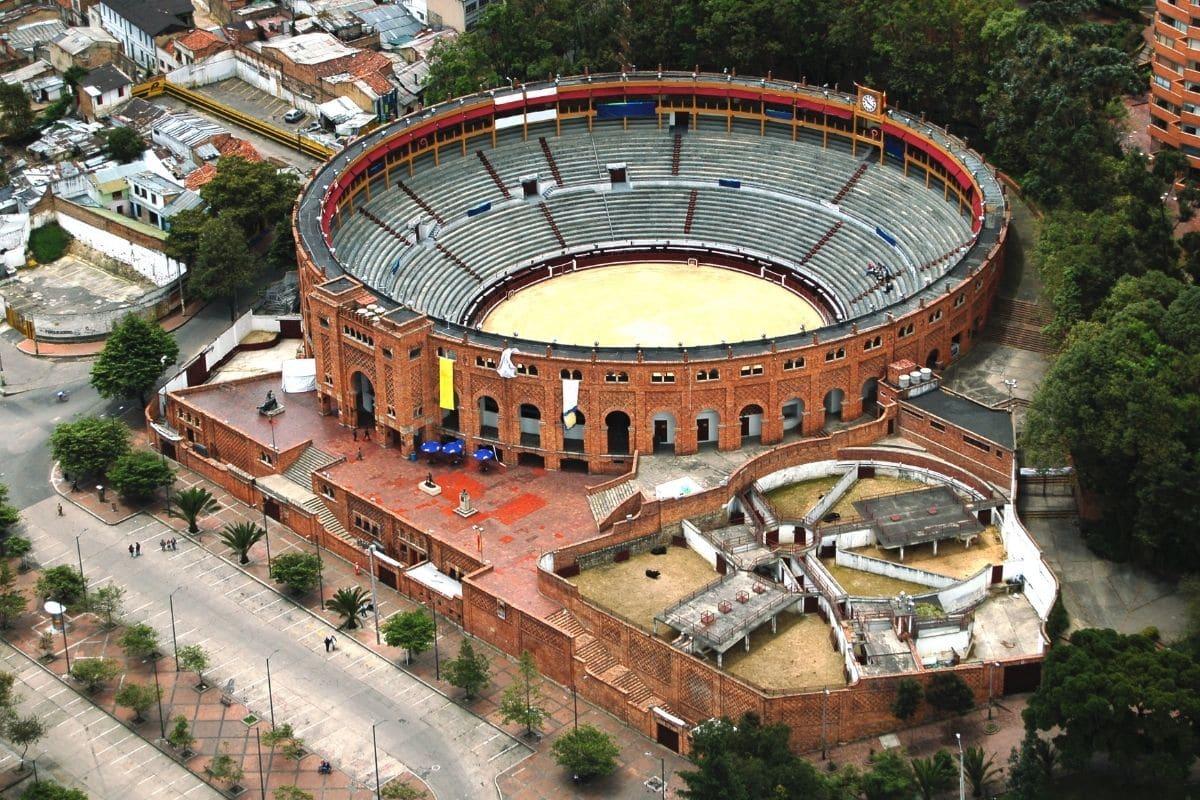
Whatever your feelings about bullfighting, Seville's Plaza de Toros is a must-see, as it is Spain's most important bullring and home to the world's biggest bullfighting festival, the Feria de Abril.
The arena seats 1,300 spectators and boasts a unique Baroque façade. You can also visit the "Bullfighting Museum", which features a room with paintings reflecting the history of bullfighting and Spain's most famous bullfighters.
5- Torre del Oro:
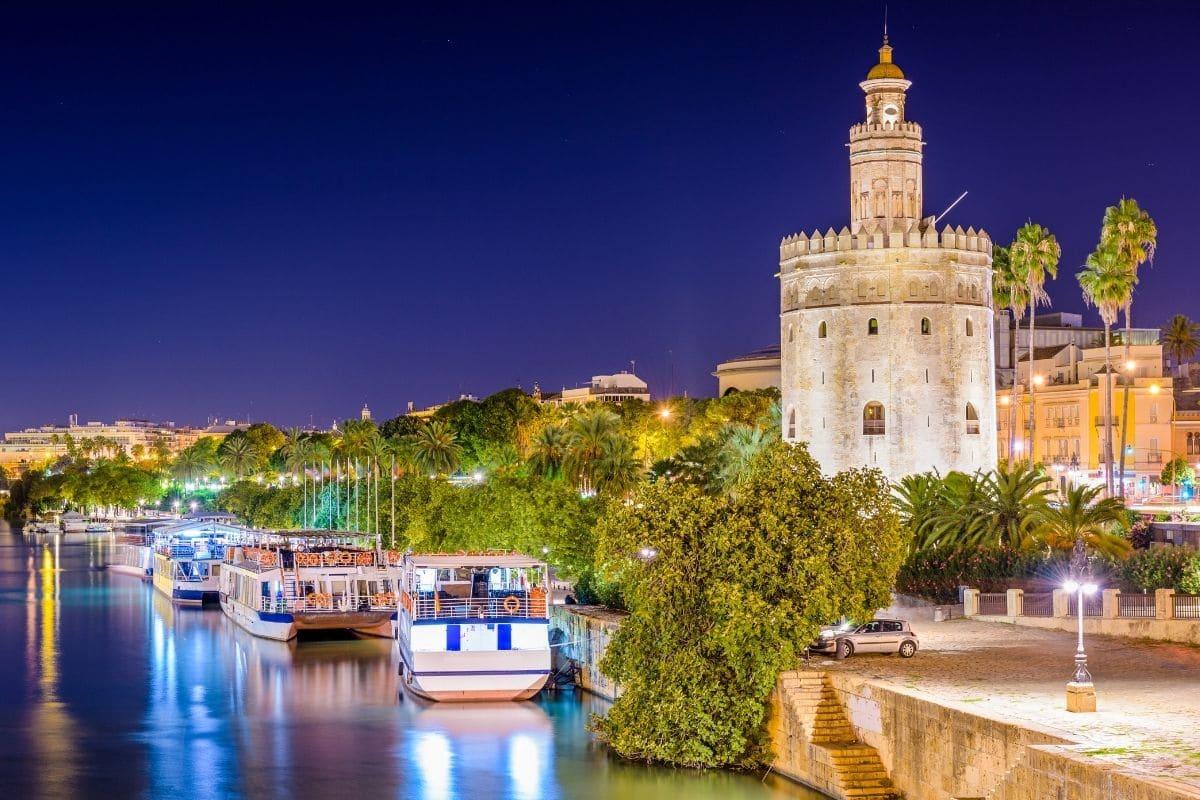
This is Seville's 36-metre-high gold tower, built in the 12th century during Almohad rule. Its purpose was to control naval transport on the Guadalquivir. It is located near the Plaza de Toros.
The top floor of this tower is a small maritime museum called the Museo Naval, where you will find maritime instruments, models and maps of shipping routes.
6- Santa Cruz:
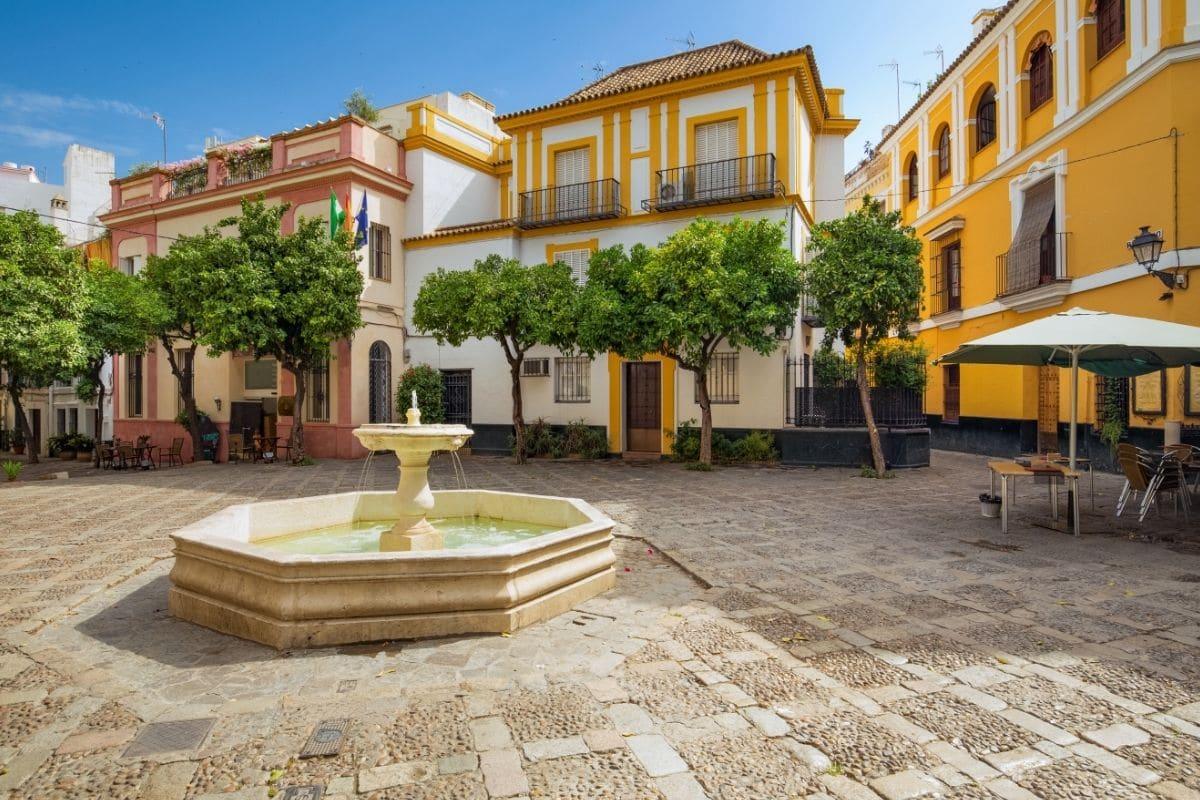
This is the old Jewish quarter of Seville. In fact, the city had the largest Jewish community in Spain during the 13th century, before they were expelled and murdered. This district is characterised by its Andalusian style, with houses in sunny colours, numerous gardens and the pleasant scent of orange blossom.
7- Metropol Parasol:
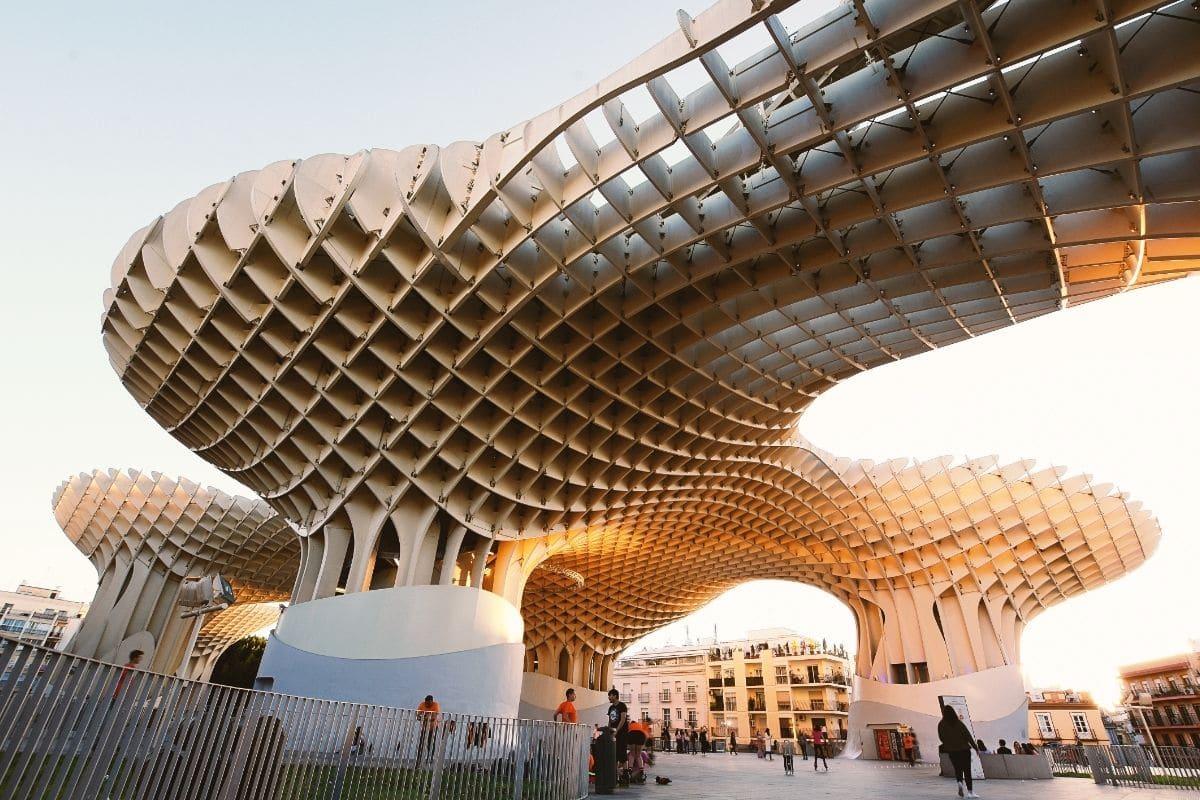
The Metropol Parasol or mushrooms of Seville is the largest wooden structure in the world (150 x 70 metres and 26 metres high). It was built by German architect and artist Jürgen Mayer to rehabilitate the Plaza de la Encarnacion.
The Metropol Parasol has a lovely terrace, several shops and restaurants, and an archaeological museum called the antiquarium, which shows you the remains of the Roman colony, with Roman mosaics and houses dating back to the first century AD.
8- Museu Arqueologico de Sevilla :
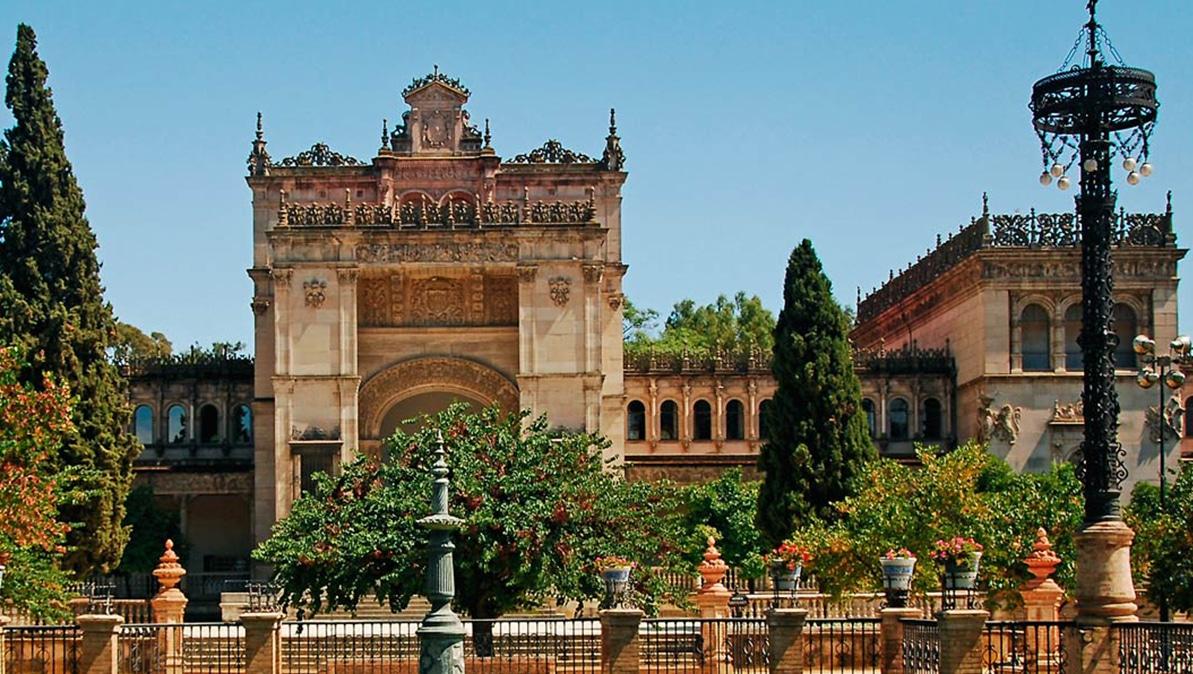
We can't talk about museums without mentioning the Museu Arqueologico de Sevilla or Seville's archaeological museum, built in 1929 on the Plaza de América next to the Maria Luis park by Aníbal González. It contains treasures from Seville dating back to prehistoric times, the Roman era and the Arab period.
At this point we should mention Room VI, where you can find a replica of the "Treasure of Carambolo", dating back to 650 BC and containing gold jewellery, gold coins and ceramics.
9- The General Archives of India:
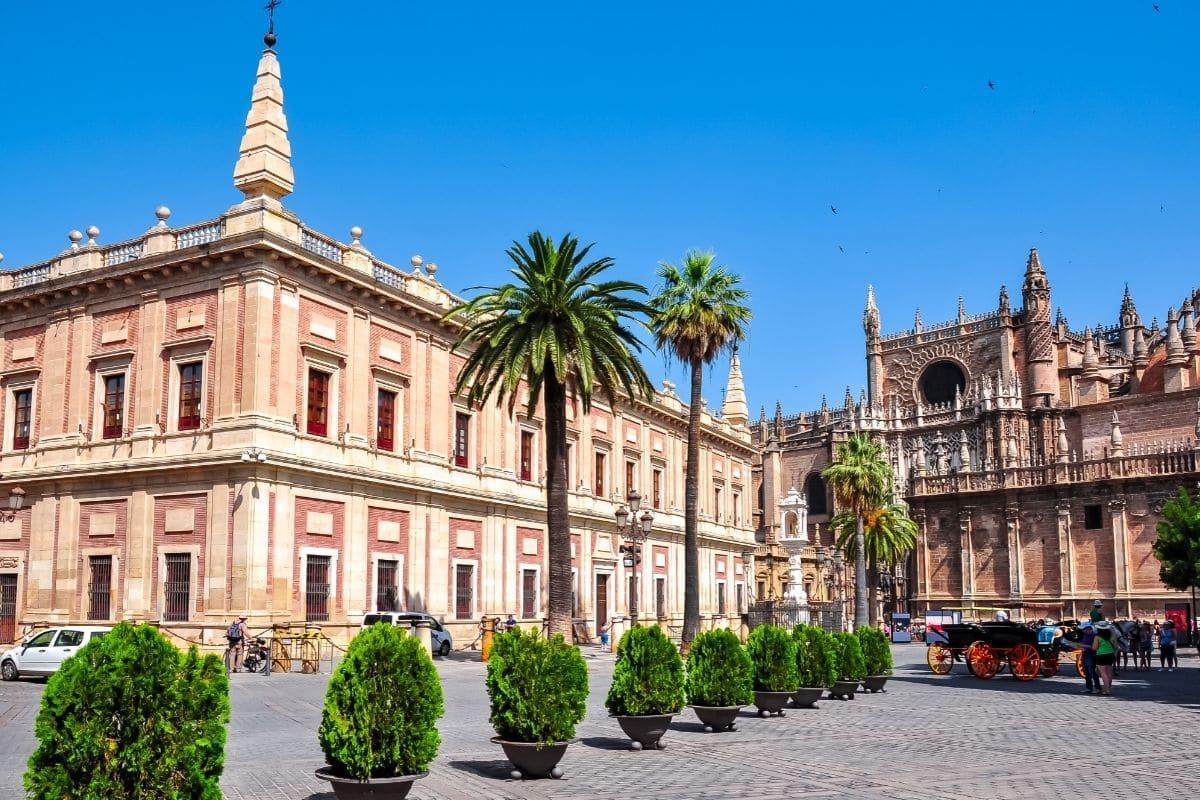
The top 10 historical monuments to visit in Seville end with the General Archive of the Indies, an important archive documenting the history of the Spanish empire in the Americas and the Philippines. The archives are located in the Santa Cruz district. It contains some 43,000 files, including 80 million pages and 8,000 maps and drawings. You can also see the autographs of the great Spanish marine explorers such as Christopher Columbus, Magellan, etc.
Top 7 things to do in Seville :
1- Flamenco:
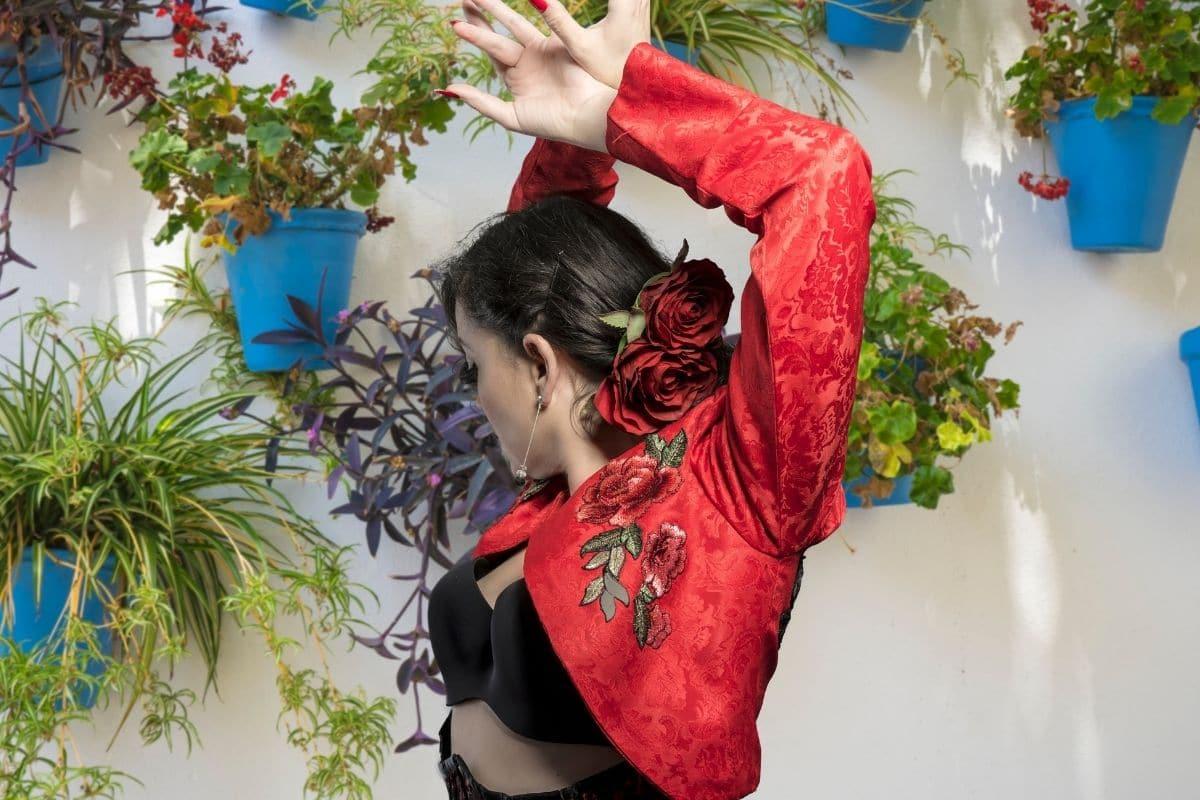
You can't talk about Spain without linking it with the famous Flamenco. Indeed, Seville is the best place to dance Flamenco, as it is the capital of Andalusia. The city is home to many Flamenco shows in authentic tablaos.
You can also visit the Museo del Baile Flamenco, a museum dedicated to this dance opened in 2006 by flamenco dancer Cristina Hoyos.
This visit will enable you to discover the history and evolution of flamenco, and in the evening enjoy a typical Andalusian show.
2- Cycling:
Seville's vast neighbourhoods and magnificent architecture make it a great place to explore by bike. You can hire a bike and explore the city on your own, or take part in a group cycling tour.
3- Take a cruise on the Guadalquivir :
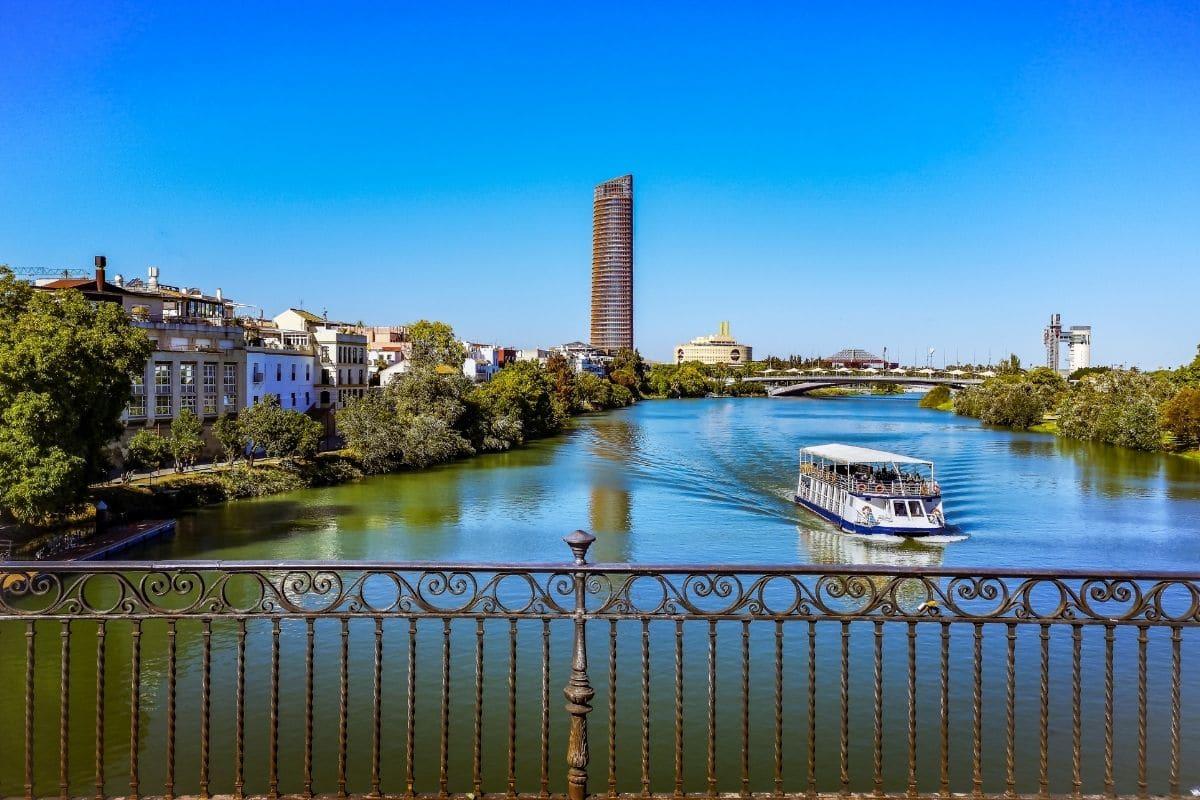
Named "Betis" by the Romans, "great river" by the Arabs, the Guadalquivir river has always been considered the soul of Andalusia.
On a boat trip across the Guadalquivir, you can enjoy Seville's pleasant climate and take in the city's great historical monuments, such as the Plaza de Toros.
4- Visit the Seville Aquarium :
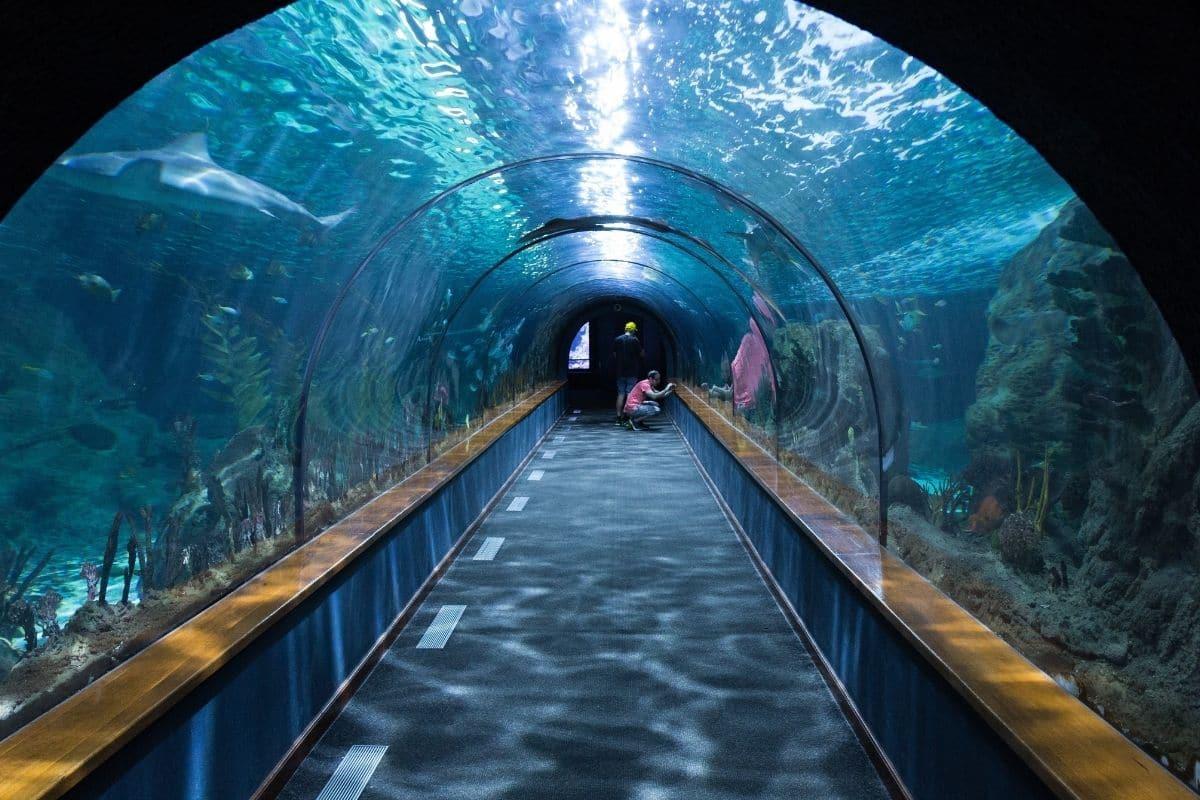
The Seville Aquarium is the largest shark aquarium in Europe. It includes several marine species and lets you experience the two-year voyage made by Magellan in 1519 to reach the Moluccan Islands.
5- Take the bus: Hop on hop off:
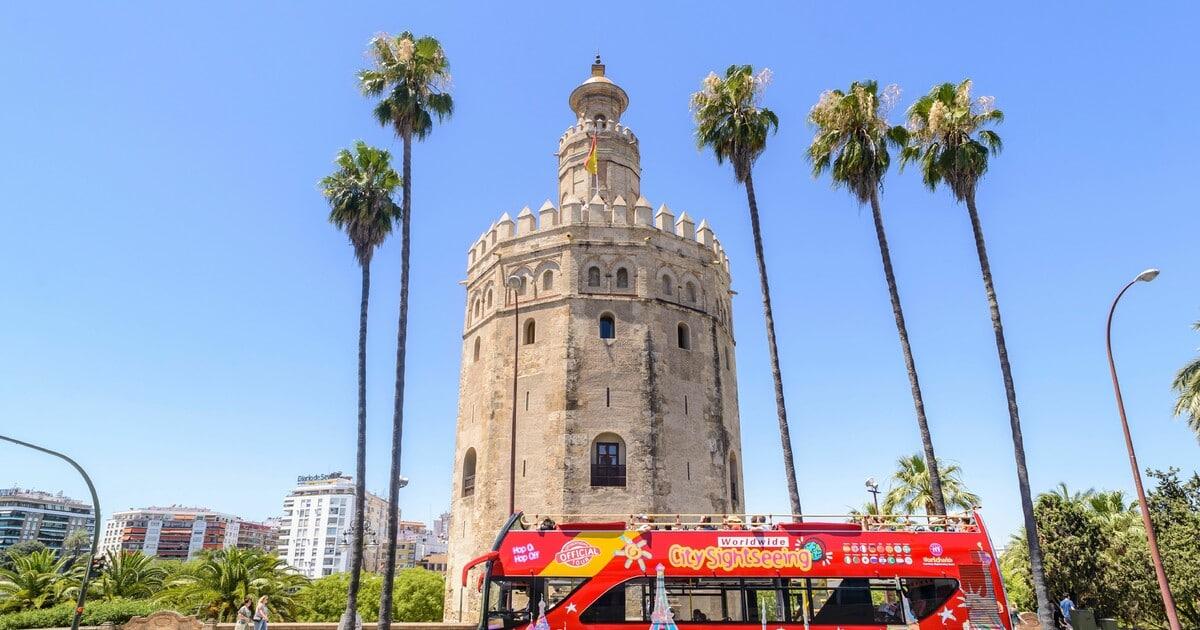
You can take a stroll around Seville by taking the special HOP-on-hop-off bus all day long to save time and tour the city.
6- Take a walk along the Caminito del Rey:
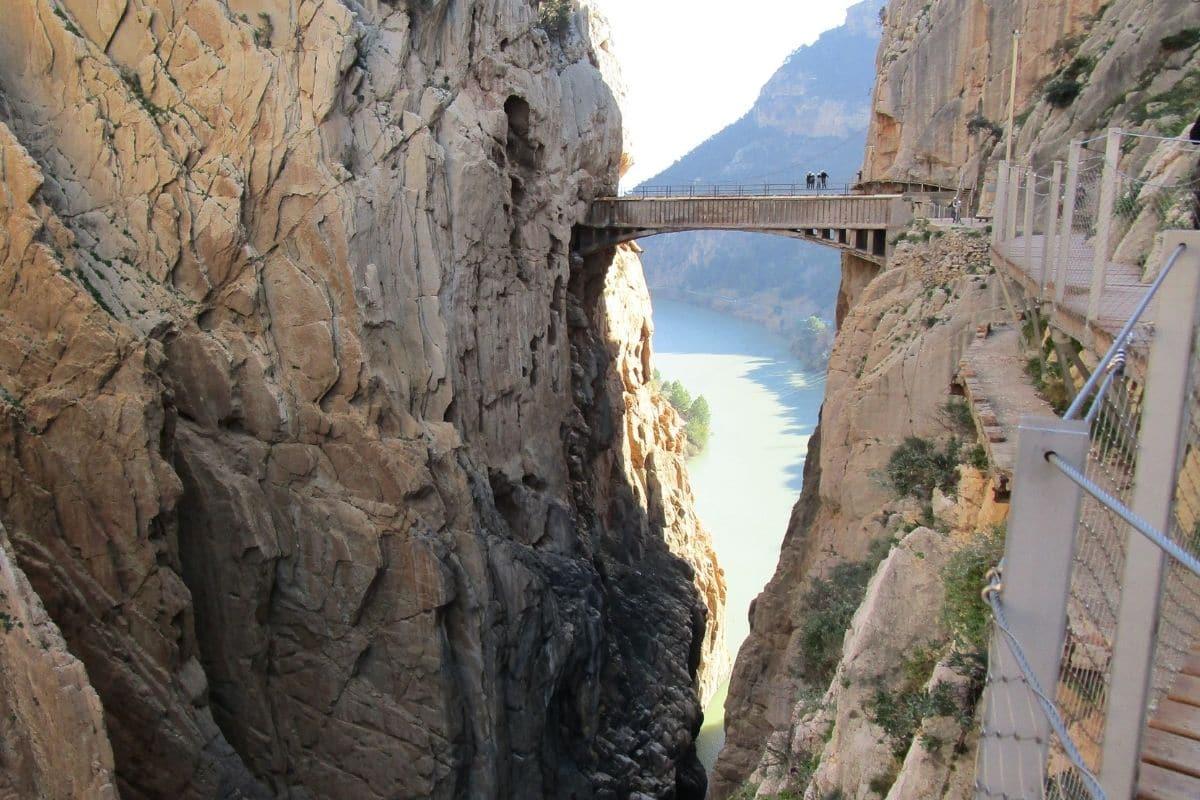
As well as its historical, archaeological and architectural monuments, Seville has some unmissable natural landscapes, such as the Caminito del Rey. You can therefore take part in a hike to discover the area.
This experience will allow you to admire the Los Gaitanes gorge, cross the new suspension bridge and enjoy an incredible view of the River Guadalhorce.
7- Visit Donana National Park:
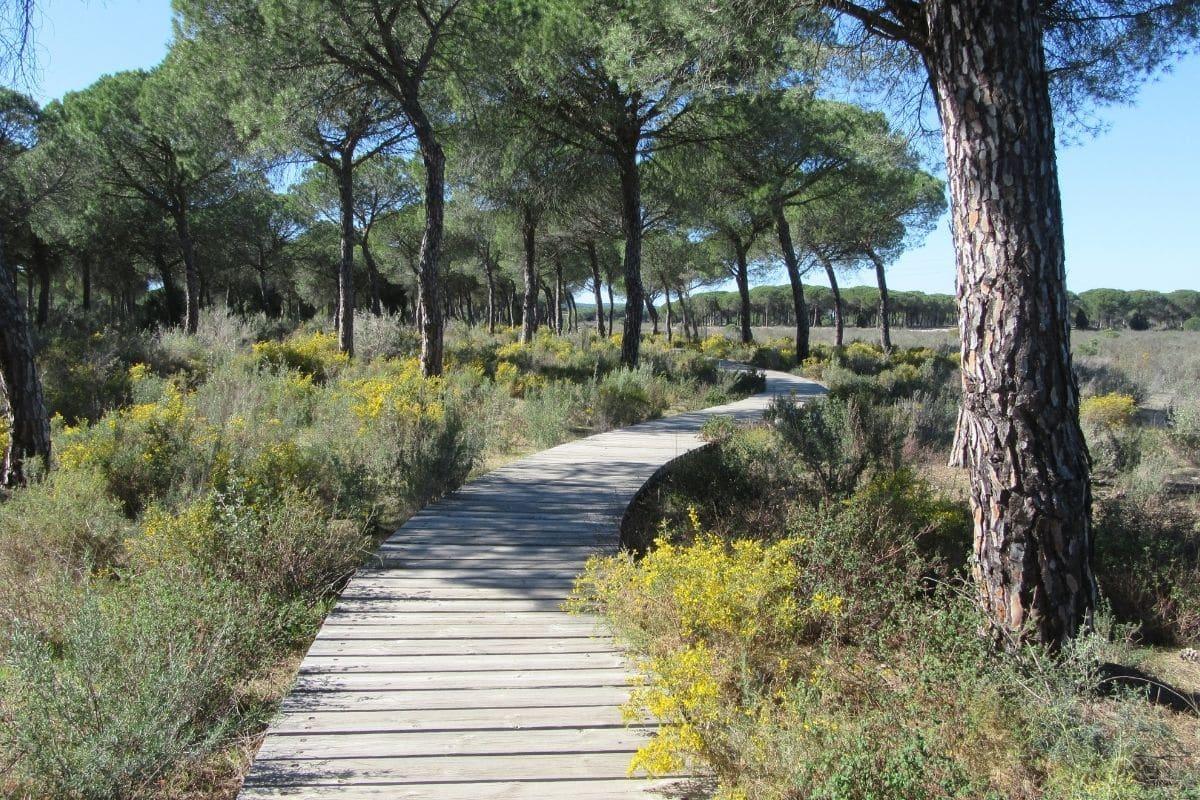
A visit to this park will keep you in touch with nature. It covers an area of 54,000 hectares. The park offers a wide variety of landscapes to see: rice fields populated by various species of birds, dense and endless pine forests and spectacular dunes that run alongside the Atlantic Ocean.
Festivals and annual events in Seville :
Andalusia is generally well known for its traditional festivals. Seville in turn has several annual events. This makes the city a major tourist destination in Spain and around the world.
1- Andalusian Day:
As Seville is the capital of Andalusia, Andalusia Day is celebrated on 28 February each year, when the referendum approving the autonomy of the region of Andalusia from the Spanish government is commemorated.
2- Semana santa:
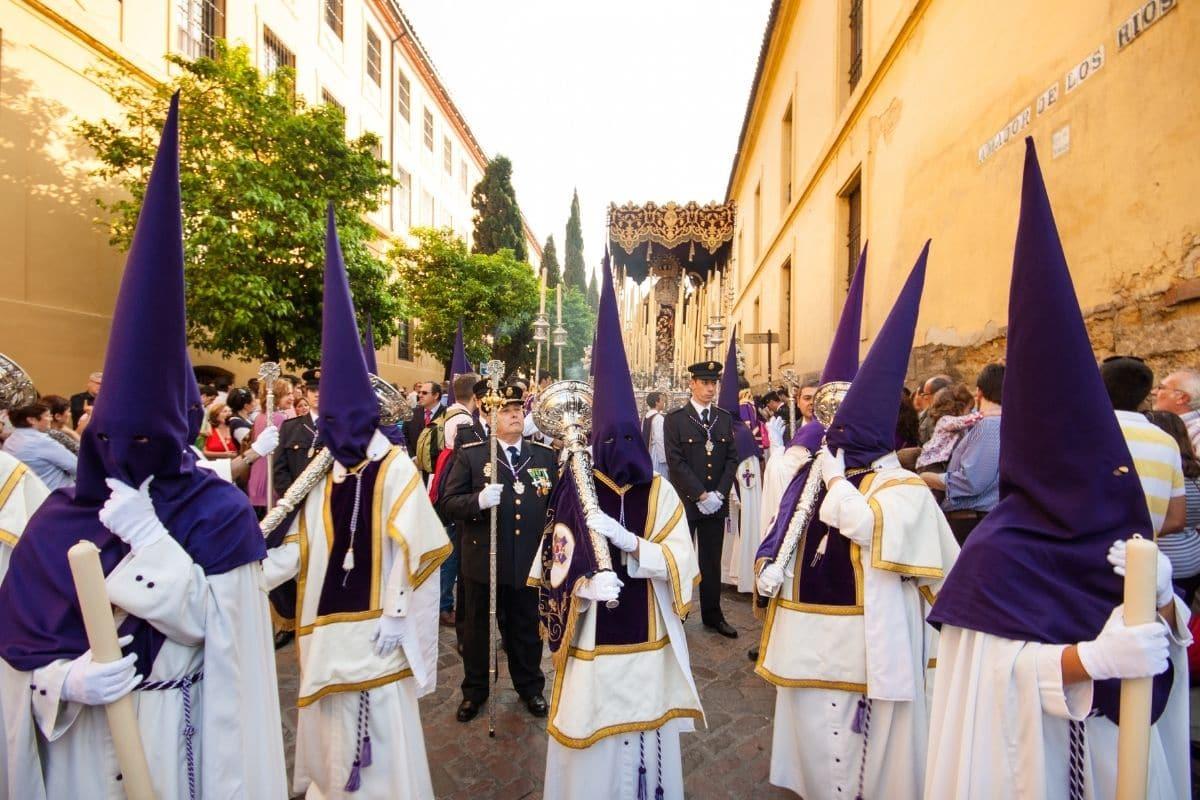
Seville's Semana Santa or Santa Week is the city's most important religious festival, and one of the most famous in Spain since the 16th century. The city lives to the rhythm of the processions throughout the week.
It begins on Palm Sunday and ends in 7 days' time. The week of Santa is dedicated to the Passion of Christ, with 60 brotherhoods(Hermandades and Cofradías). People go out in procession to the cathedral, conclude their penitential station and then return to their starting point.
Sevillians, Spaniards, foreigners, believers and non-believers all take part in this event to admire the beautiful procession accompanied by music.
3- The Feria de Abril:
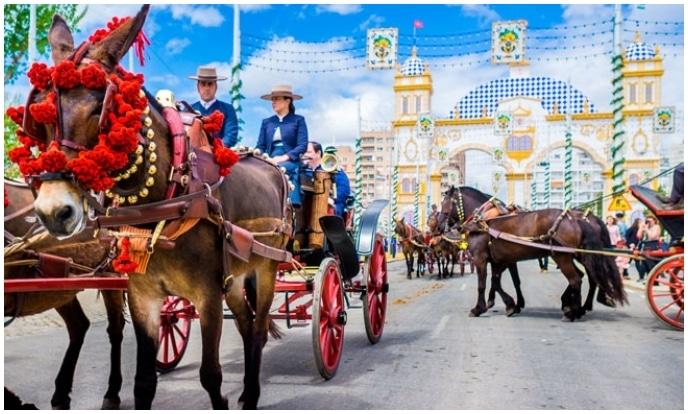
This festival takes place 2 weeks after Semana Santa. In the beginning, it was simply an opportunity for trading and selling. Nowadays, the commercial activity is accompanied by various Andalusian traditions such as flamenco dancing and local songs.
4- Corpus Christi:
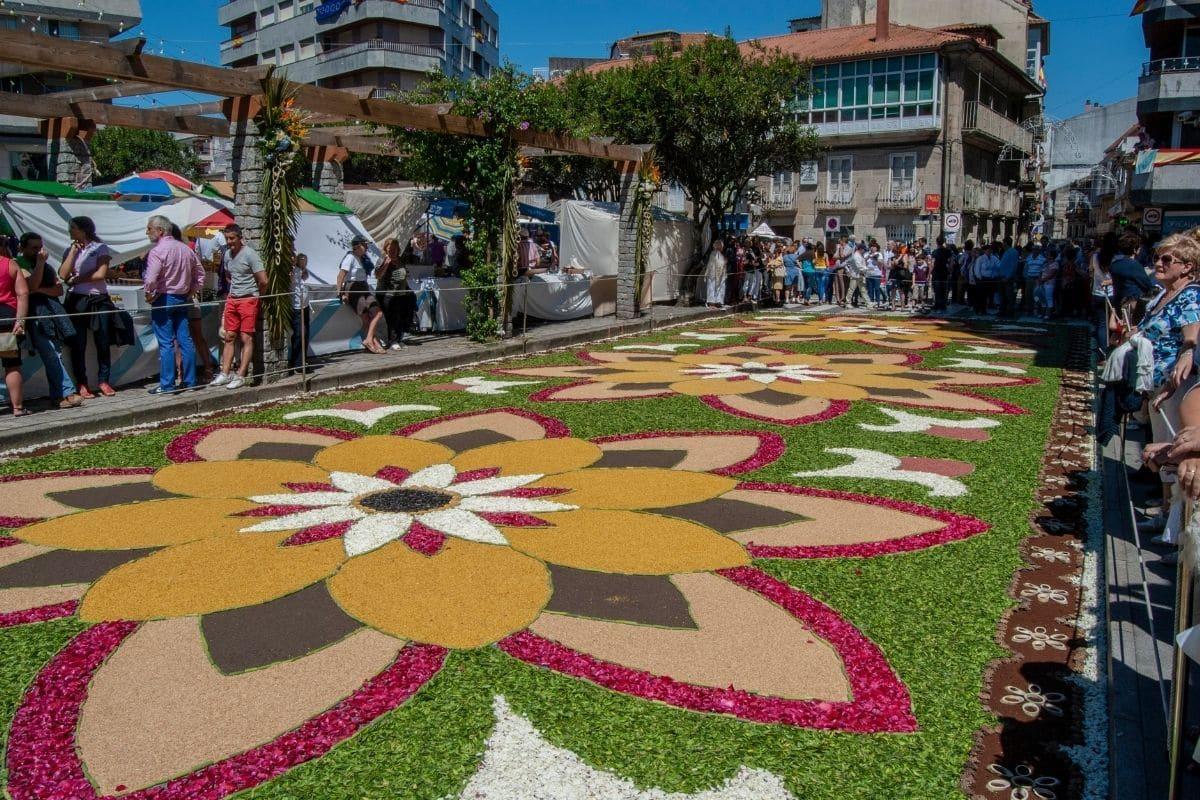
In June, the cathedral of Seville welcomes thousands of worshippers who parade through the streets of Seville waiting to enter the cathedral in traditional Spanish dress and dance. The event lasts 8 days.
5- Veil of Santiago and Santa Ana:
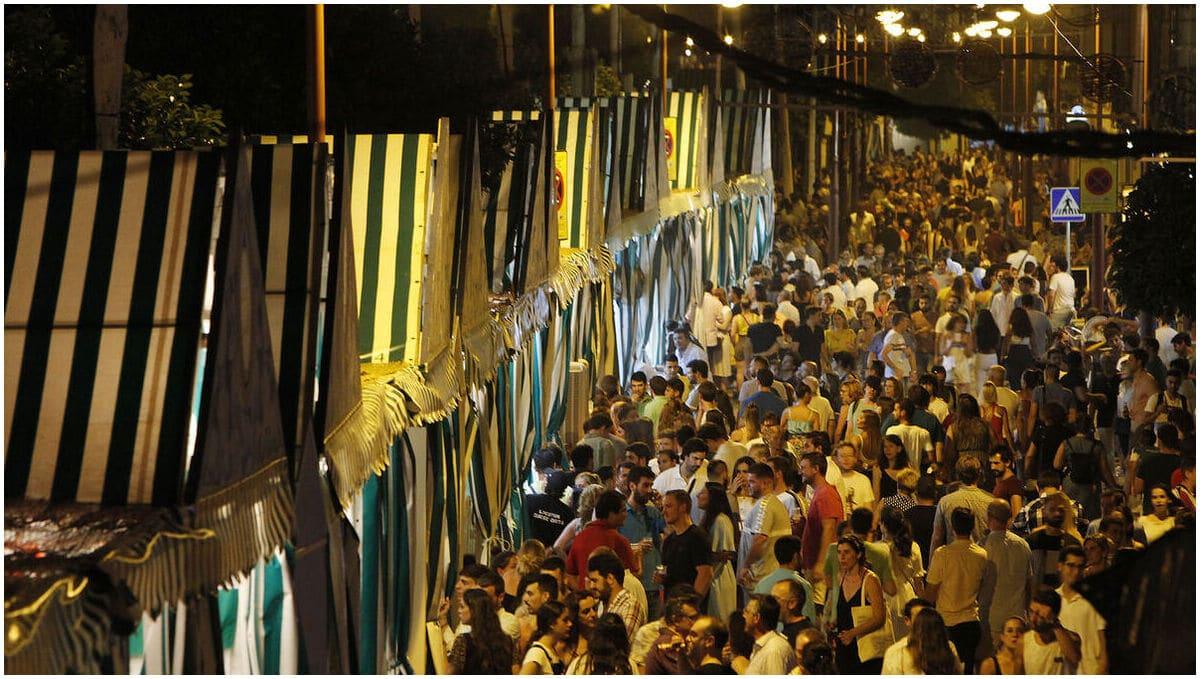
The "Sail of Santiago and Santa Ana" is celebrated in the famous Triana district of Seville at the end of July. It's a historic festival where Sevillians and foreigners alike stroll through the city's vast neighbourhoods.
6- Virgin of the Kings:
This is an annual event that takes place on 15 August every year. It's a procession in honour of Seville's patron saint where thousands of Spaniards gather at the city's cathedral.
7- Bullfights:
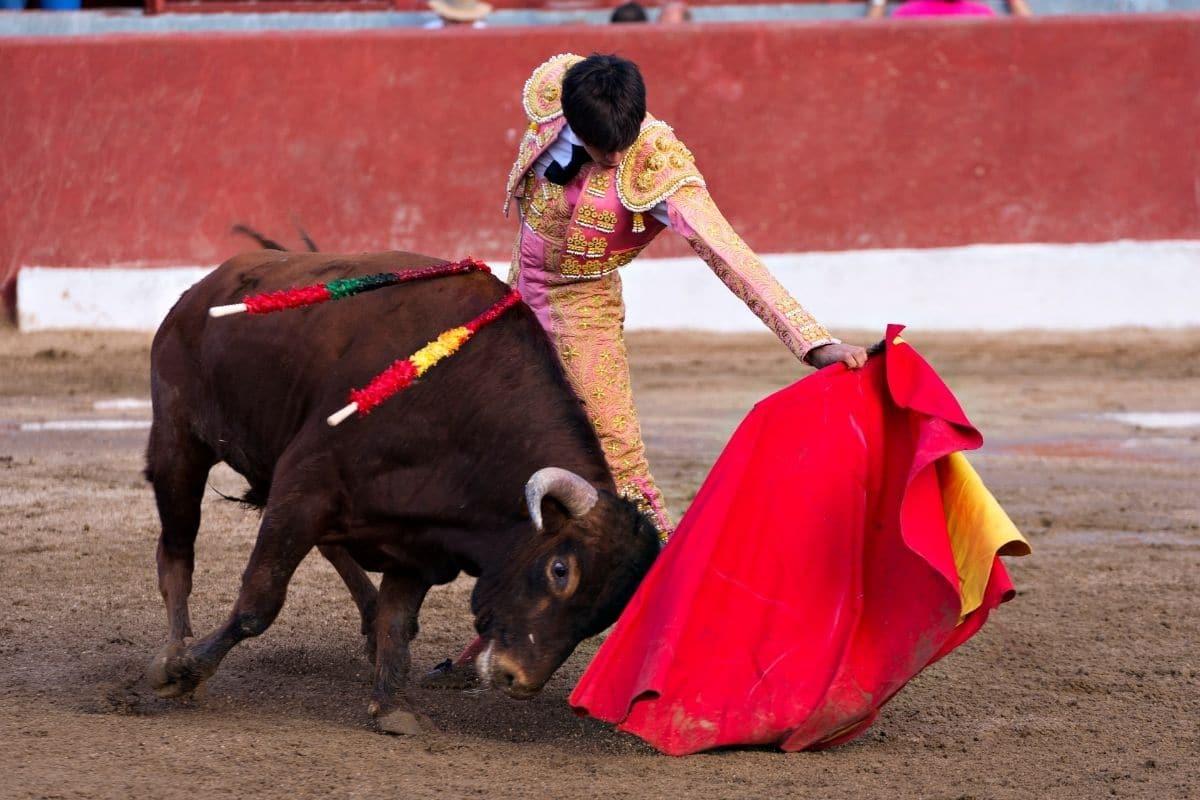
Spain's famous bullfights take place mainly in the capital Madrid and Seville. Every year from Easter to autumn, several bullfighting events are held in the Plaza de Toros de la Maestranza. These events are not to be missed on any account during your visit to Seville.
8- Flamenco Biennial:
Flamenco dancing is the symbol of Spain and Andalusia in particular. It represents the Iberian culture of this country. The flamenco music that accompanies the dancing and singing is a blend of Greek, Roman, Indian, Jewish and Moorish music.
Flamenco reflects the cultural richness of the many civilisations that have lived in Spain over the centuries. In the first place, music and song were developed, and in the second place, and more precisely during the 18th century, dance was recognised.
The Bienal de Flamenco is a major international competition. It has been held every year in Seville during the month of September since 1980. It attracts a huge number of artists from all over the world. It takes place in Seville's Auditorium della Cartuja sports stadium.
9- The Seville European Film Festival:
No one can deny that Spanish film production is enjoying enormous success these days. It is evolving rapidly and remarkably. As a result, the European Film Festival has been held in Seville since 2001. Here you can meet your favourite film artists and directors and watch screenings of new short and feature films.
10- The book festival:
Seville is a typically artistic city. It is not only interested in cinema, but also in reading. For this reason, every spring the Book Festival is held, where you can meet your favourite authors and enjoy Andalusian culture.
Events not to be missed in Seville in 2022:
1- Homo Ludens: video games to understand the present:

This is an audiovisual exhibition. It will take place on1 July 2022 in Seville. It focuses on the overlap and interaction between games and real life. The exhibition is accompanied by a collective gaming experience in the form of a debate and an exchange of opinions.
The exhibition analyses video games from a number of angles: social, cultural and industrial, with reference to a number of works of art and video games. The aim is to explore the impact of games on people's real lives and try to establish a link between them.
2- Feast of the Immaculate Conception.
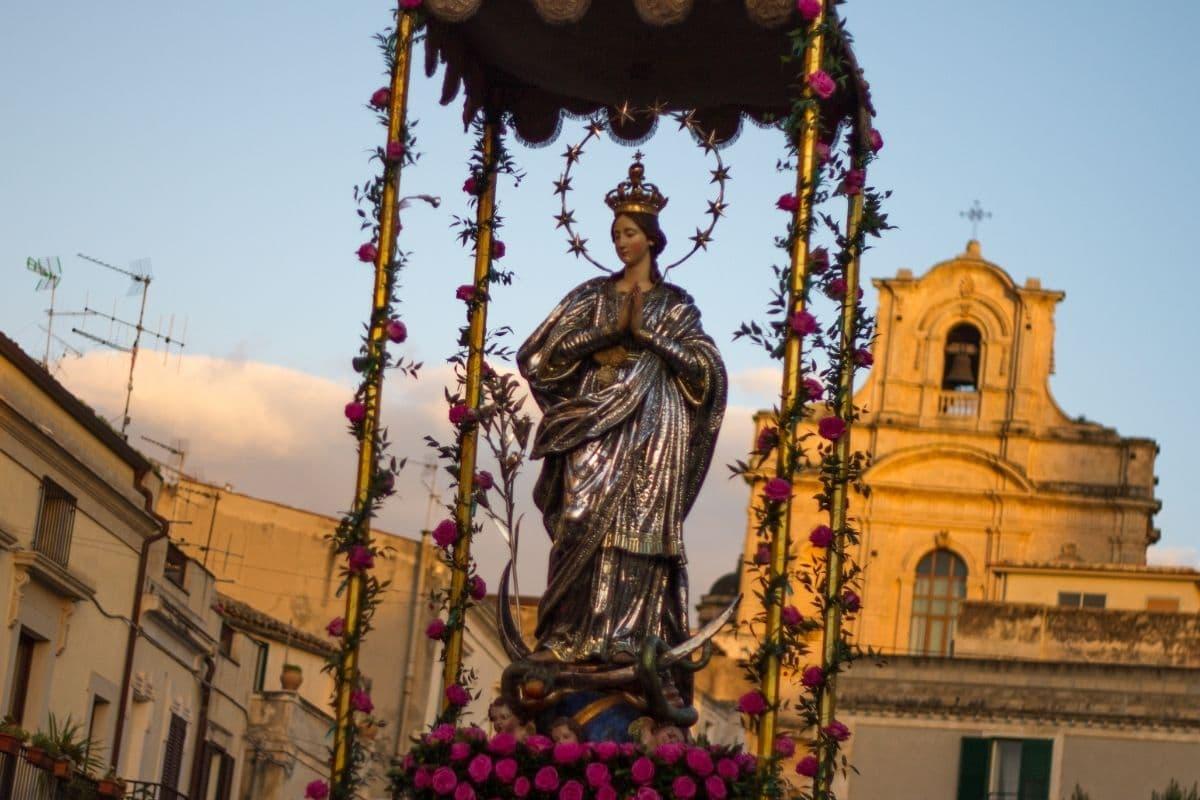
This feast will be celebrated on 8 December 2022 in Seville cathedral, where the traditional choir dance will be performed. This liturgical act dates back several centuries. During this festival, the choirboys dance in front of the cathedral's great altarpiece in an artistic tableau that is only repeated three times a year.
Accommodation in Seville :
1- Hotels:
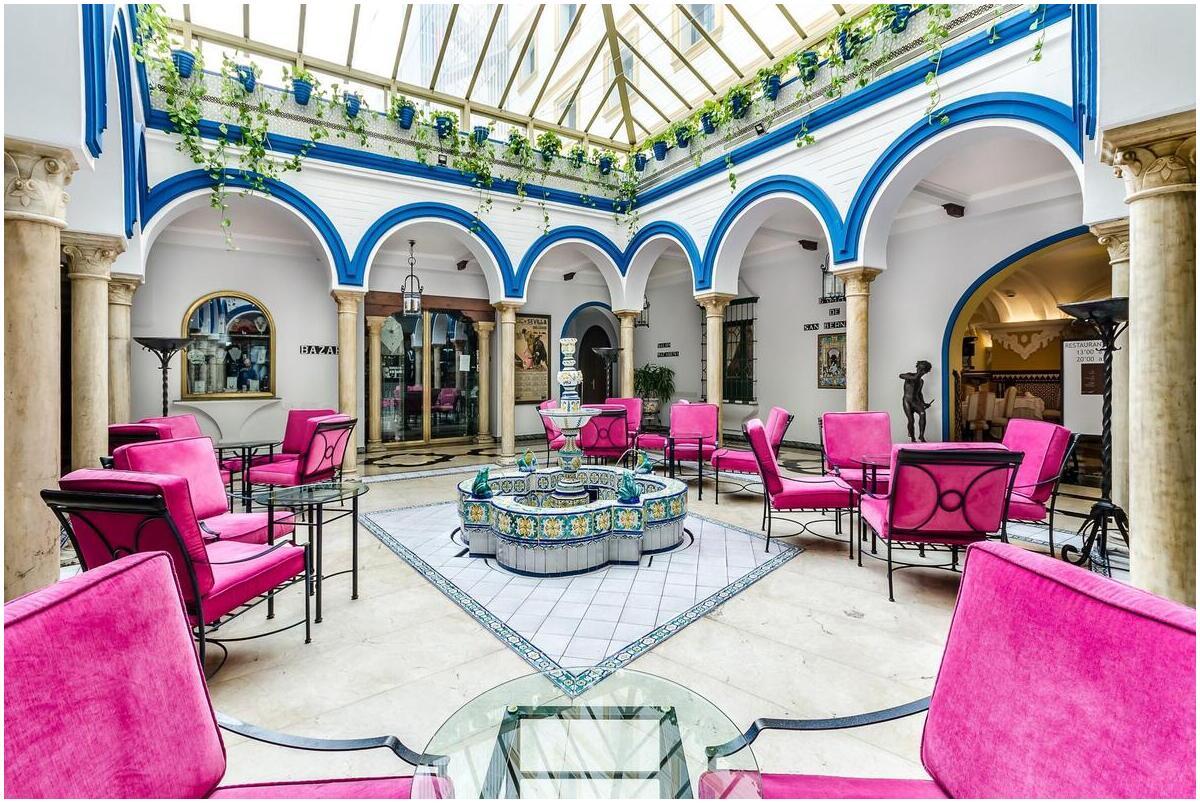
Seville has a wide range of affordable hotels and guesthouses. For this reason, accommodation in Seville is not a problem if you plan ahead. But during festivals such as the semana de Santa , for example, it will be difficult to find local accommodation. What's more, prices vary according to the season, and with the surge in the temporada super alta, you can expect to pay double or even triple the price. In any case, to avoid any problems with accommodation, it's best to book in advance.
You can choose between rooms on the street, which have clearer views but can be noisier as Spaniards live late into the night, or rooms on the patio, which are darker but guarantee peace and quiet.
Hotels are graded according to the number of stars, from 1 to 5, and it is advisable to arrive early enough to be sure of getting a room. Prices are displayed at reception and in the rooms. They often vary according to the divisions of the tourist year. Rates are calculated taking into account the hotel's occupancy rate. This is why it's so easy to find great deals on the Internet.
Hotels are classified into three categories:
Economy hotels": (€50-80 per double)
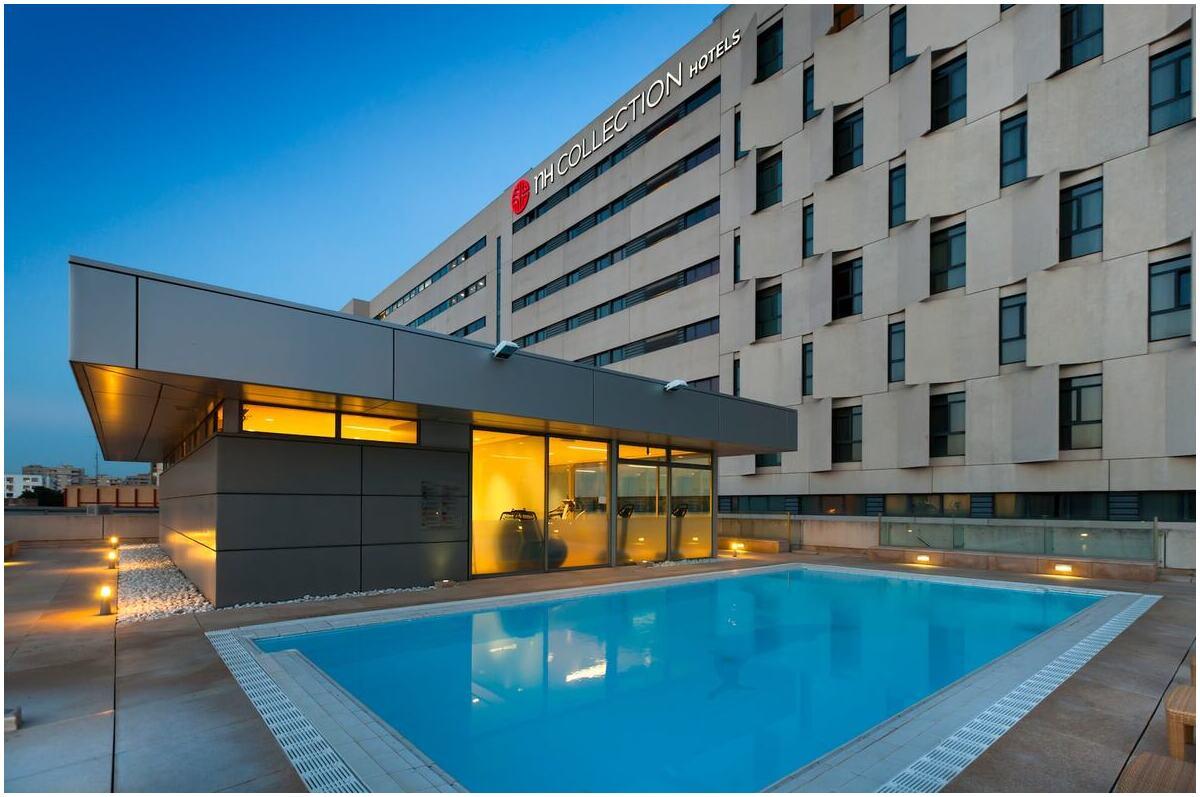
These are marble-covered patios and modern hotel facilities that create a more distinguished atmosphere, with the possibility of reduced parking nearby. Here are 5 examples of budget hotels:
NH Collection Sevilla
Hotel Rey Alfonso X
NH Sevilla Viapol
Ayre Hotel Sevilla
Hotel Abanico Sevilla
Mid-range hotels: (minimum €100 per double):
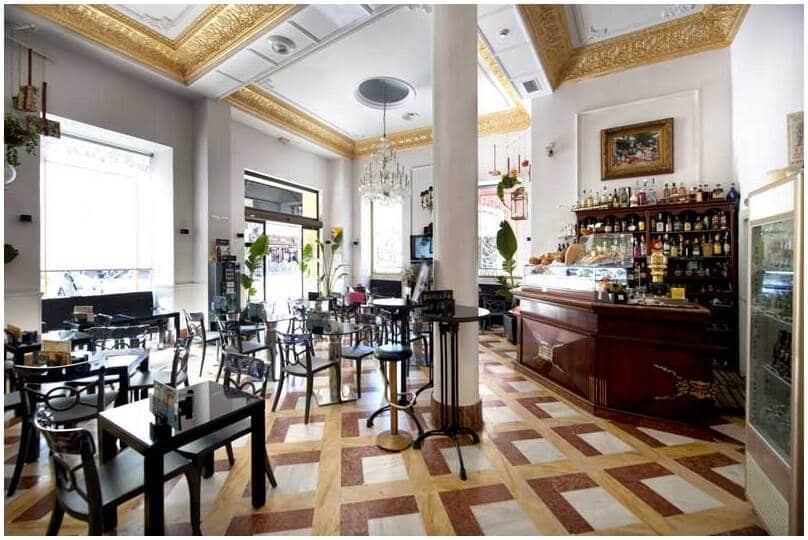
In this case it should be pointed out that rates are a little complex and the difference in prices between low and high season are significant. As a result, it's essential to find out in advance to take advantage of the discounts available on the internet and avoid unpleasant surprises. Here are 5 examples of mid-range hotels:
Hotel Amadeus
Hotel Boutique Casa de Colon
Monte Carmelo Hotel
Hotel Adriano Sevilla
Monte Triana Hotel
Luxury hotels" categories:
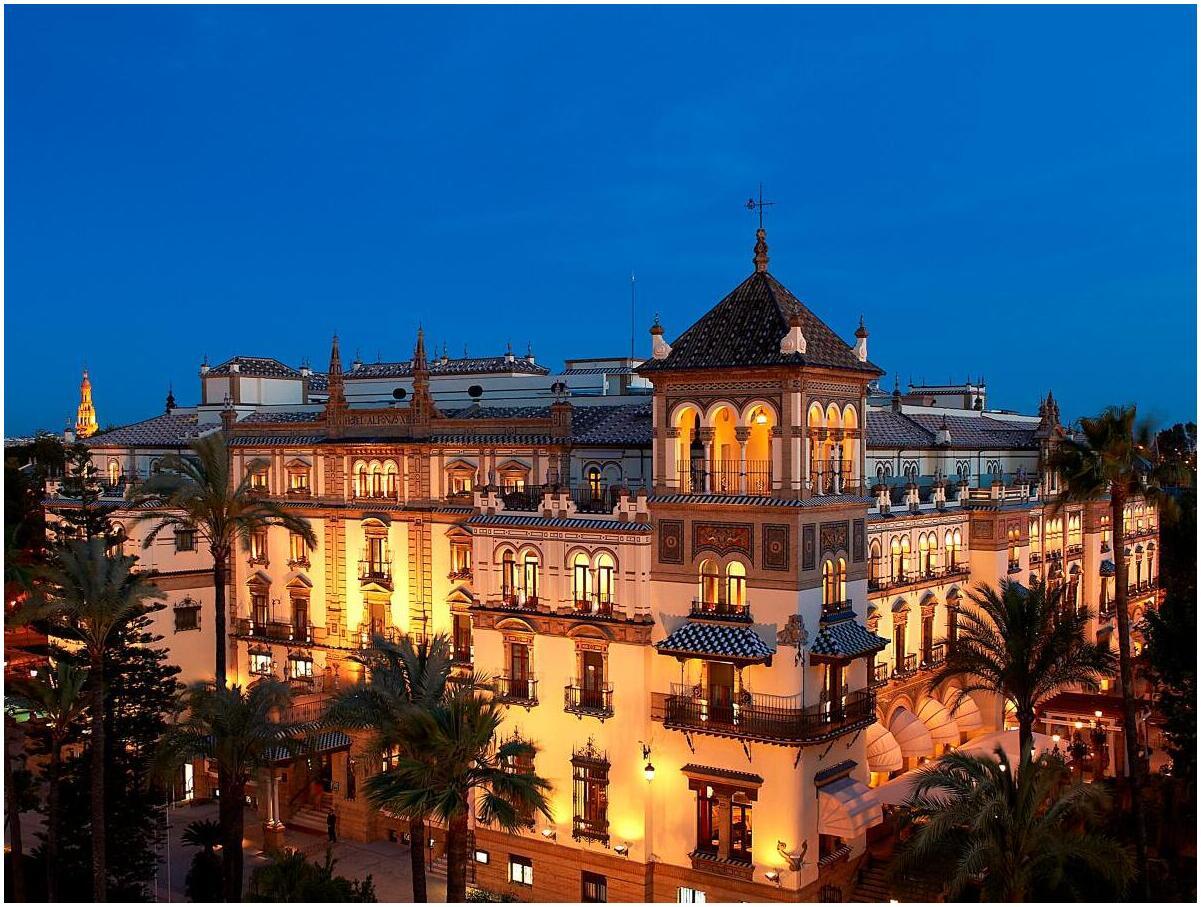
We offer 5 examples of luxury hotels.
Hotel Alfonso XIII: one of the best hotels in Spain and Europe.
Boutique Hotel Casa del Poeta
Hotel Casa 1800 Sevilla
Hotel Palacio de Villapanes
Gran Melia Colon
2- Apartment rental :
Renting flats is a good way to save money with family or friends, enjoy shared space and manage your time as you wish.
3- Youth hostels:
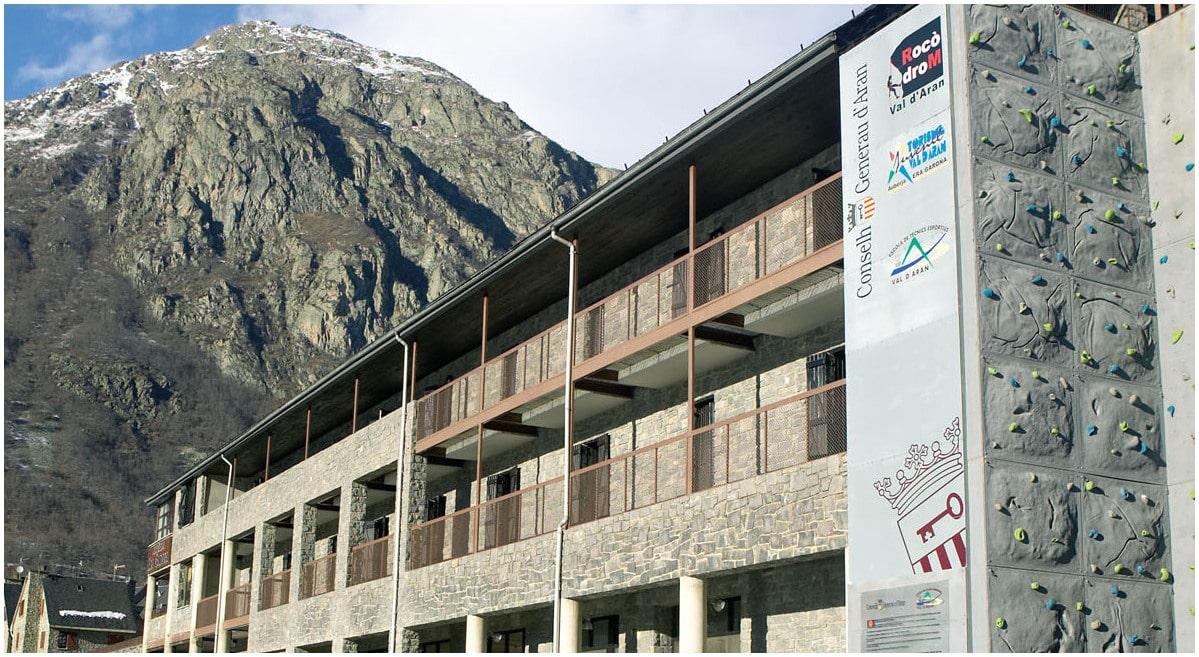
Youth hostels charge mid- to high-season rates all year round. Most of them also offer breakfast, meals, half-board or full-board. Those wishing to spend the night in youth hostels should book in advance, especially during the festive season, as there is a strong possibility that they will be blocked by groups.
At this stage, we should mention the Albergues Inturjoven Andalucía, which are private youth hostels that are very central, often cheerful and friendly, with no membership required, and which offer you the advantage of more flexible timetables and activities for discovering Seville as a group.
4- Campsites:
Seville is a wonderful place for camping. Prices for camping equipment are displayed either per pitch (including a tent and a car) and price per person, or item by item: tent, car, adults, children, etc.
Gastronomy in Seville:
Seville is an Andalusian city. As a result, as well as the traditional Spanish dishes such as paella, various rizottos and a very wide range of tapas (around 4,000 different ones) found in almost every restaurant in the city, Seville offers a culinary variety rich in flavours that will delight everyone who tastes it. There are some typically Andalusian and Sevillian dishes that you absolutely must try. Below is a list of these dishes.
1- Cocido Andaluz:
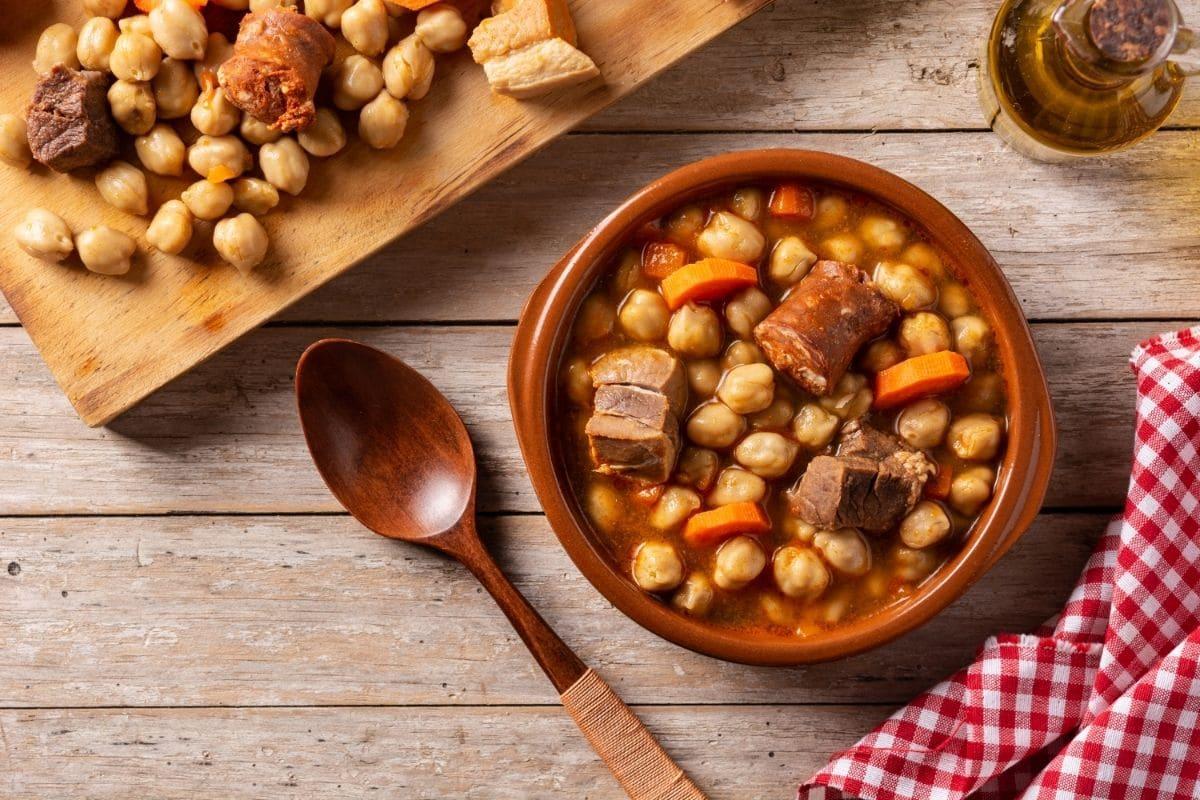
This is one of the most coveted dishes in Seville. It is made with a variety of meats and vegetables such as turnips, cabbage, carrots, chickpeas and potatoes. Cocido Andaluz can be enjoyed at any time of year, but especially in winter.
2- Huevas Alinas:
This is a traditional Seville speciality. It consists of hake roe served on sliced tomatoes mixed with onions and seasoned with vinegar, salt and pepper. This dish can be served as a tapas or as a main course.
3- Oxtail:
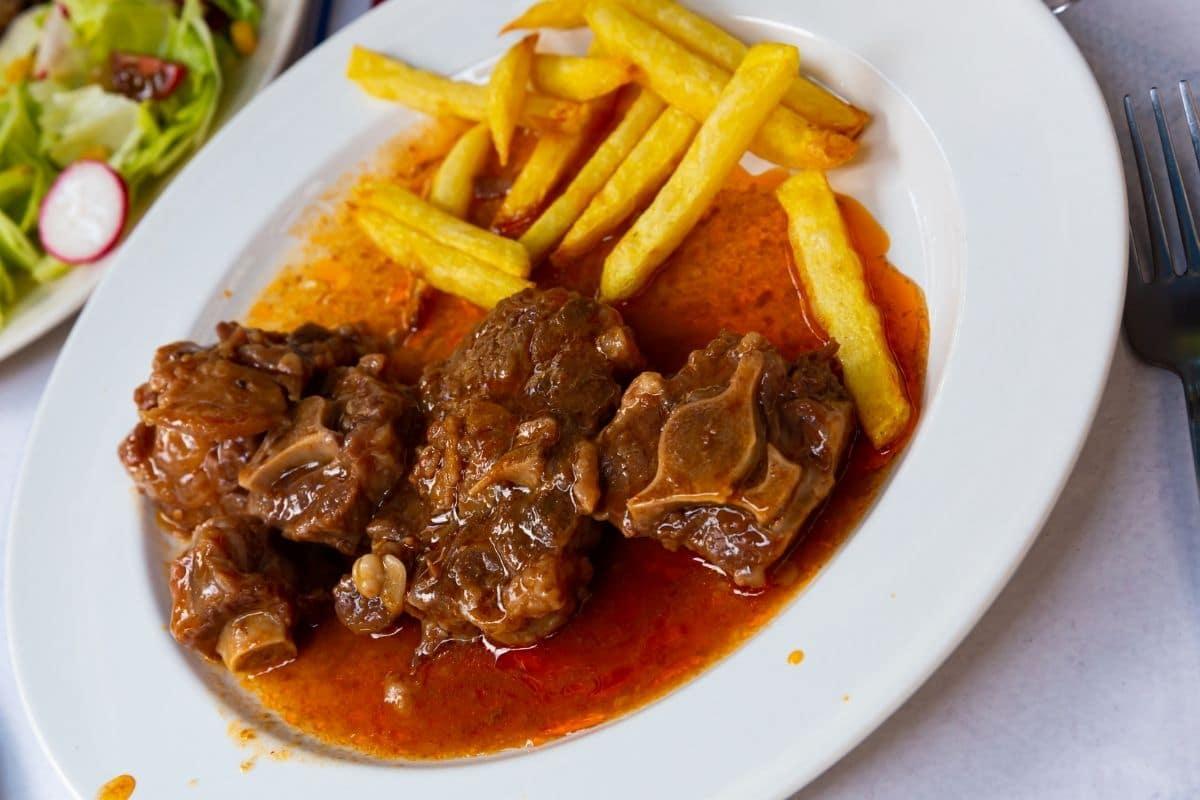
When we say Seville gastronomy we mean beef. One of Seville's most famous dishes is oxtail. It is rolled in flour, then fried in boiling oil and served with a mixture of carrots, onions and leeks. It can also be eaten as a stew. It is then served with bay leaves, pepper and garlic.
4- Puchero Andaluz:
This dish was once considered the dish of the poor in Seville. It is now one of the city's most traditional dishes. It is a type of soup in which any leftovers that come to hand are cooked. Today, this soup is made with chickpeas, carrots, onion, chicken, veal and pork. The more it is cooked and reheated, the more delicious it is. It can also be cooked in a different way, using only chorizo, pork, black pudding, white wine, potatoes, red peppers, bay leaves and olive oil.
5- Torrijas:
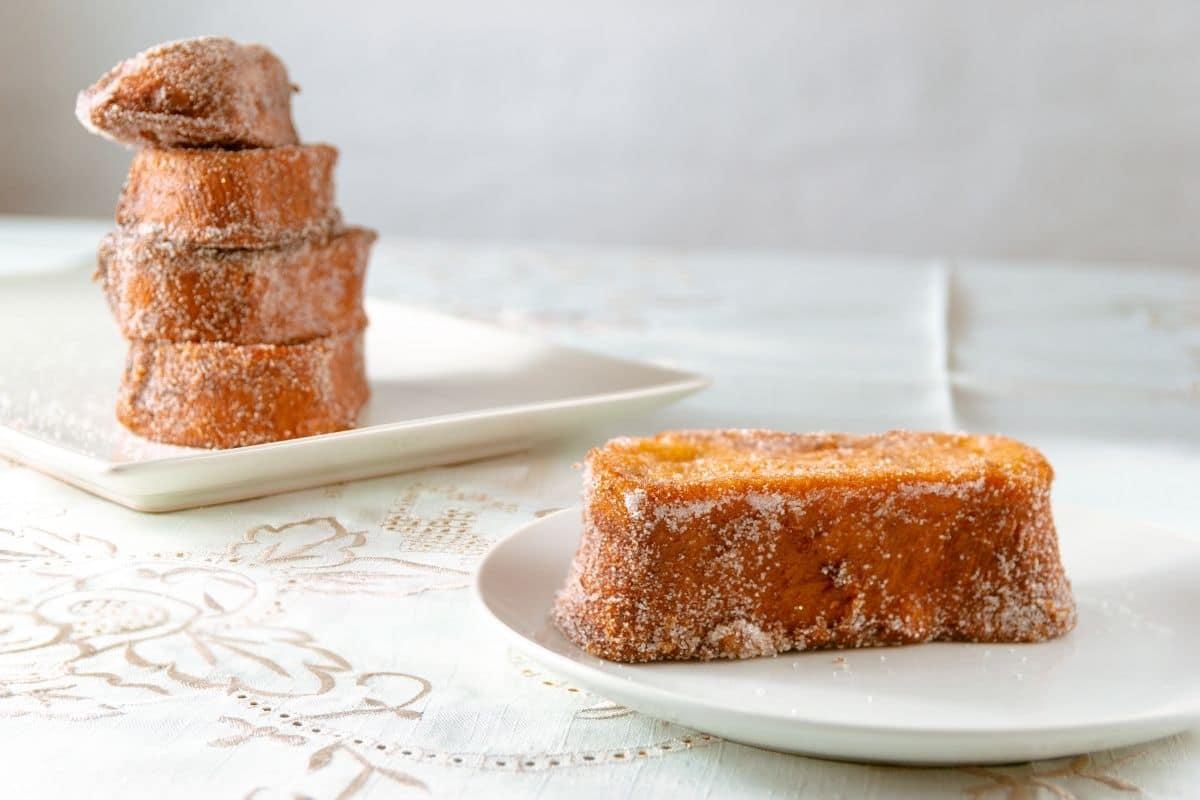
This is a dessert that dates back to the Arab period in Spain. It is a type of French toast coated in honey traditionally eaten during semana santa.
6- Pole:
This is also a dessert. It's a white cream that looks a lot like crema catalana. It is made from milk and flour, flavoured with cinnamon and topped with pine nuts.
7- La Pringa :
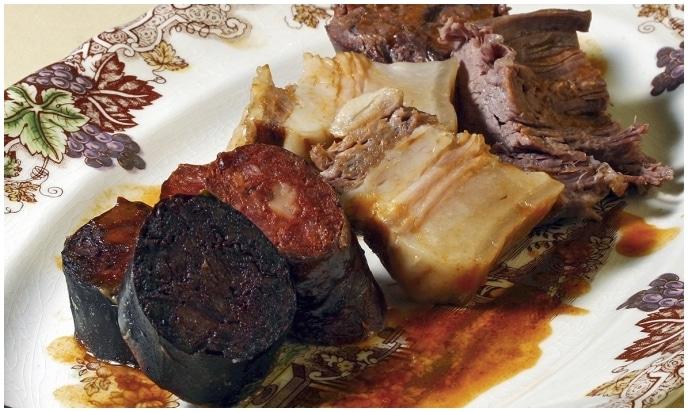
This is a Sevillian dish. The idea is to use the leftovers from the Andalusian stew by slicing the meat and spreading it on a soft roll.
8- Papas alinas :
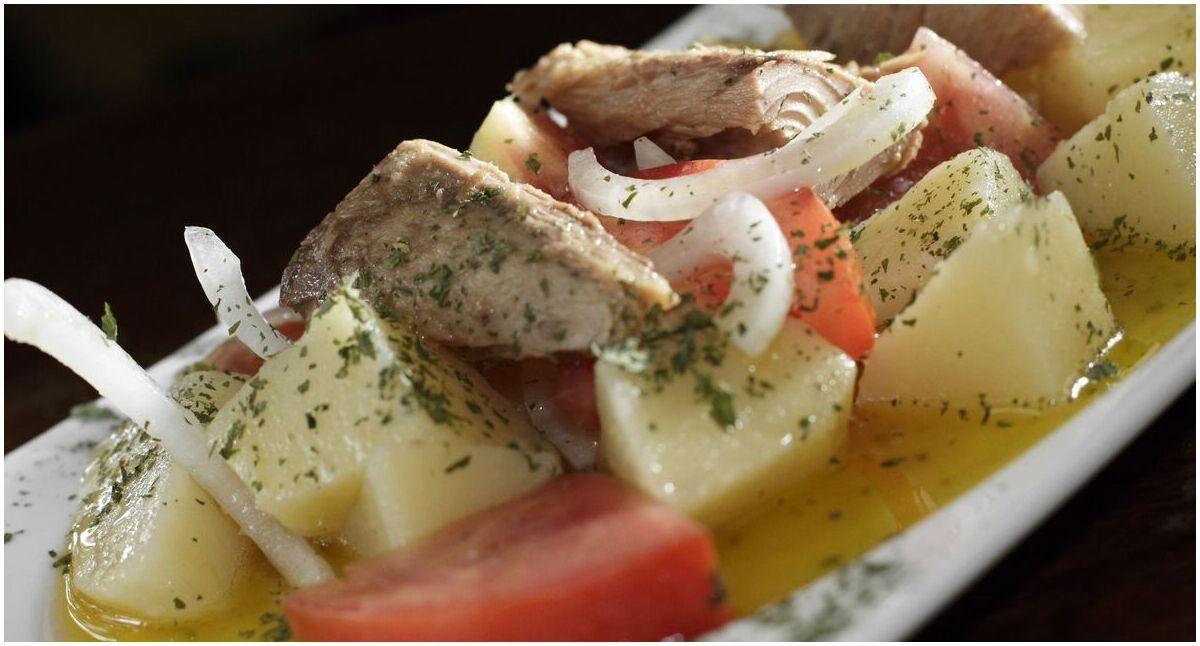
These are potatoes cooked and served cold with olive oil, vinegar, chives and parsley.
9- Huevos a la flamenca :
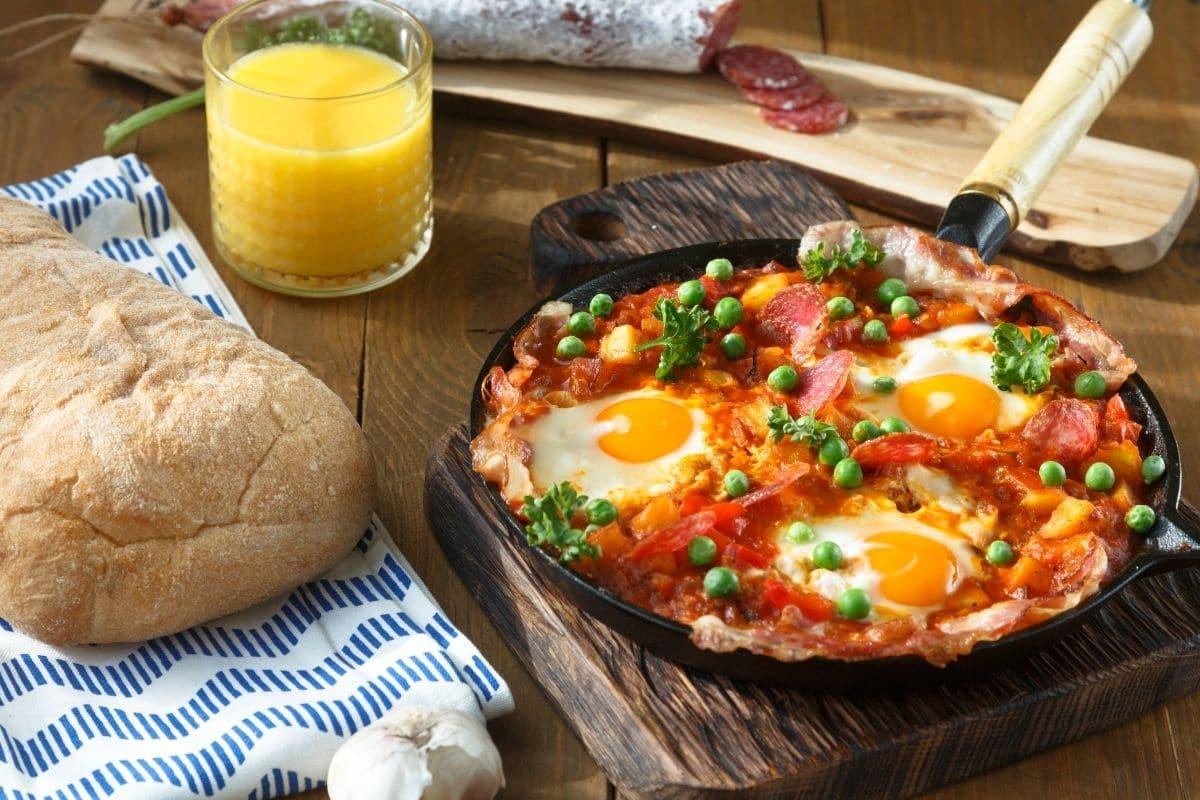
This is a traditional dish consisting of an egg served with vegetables in a Spanish sauce.
10- Caracoles :
These are cooked snails. If you visit Seville in May and June, you're bound to see lots of Sevillians eating snails. They are eaten with toothpicks, like periwinkles, in cumin broth or tomato sauce.
11- Croquetas :
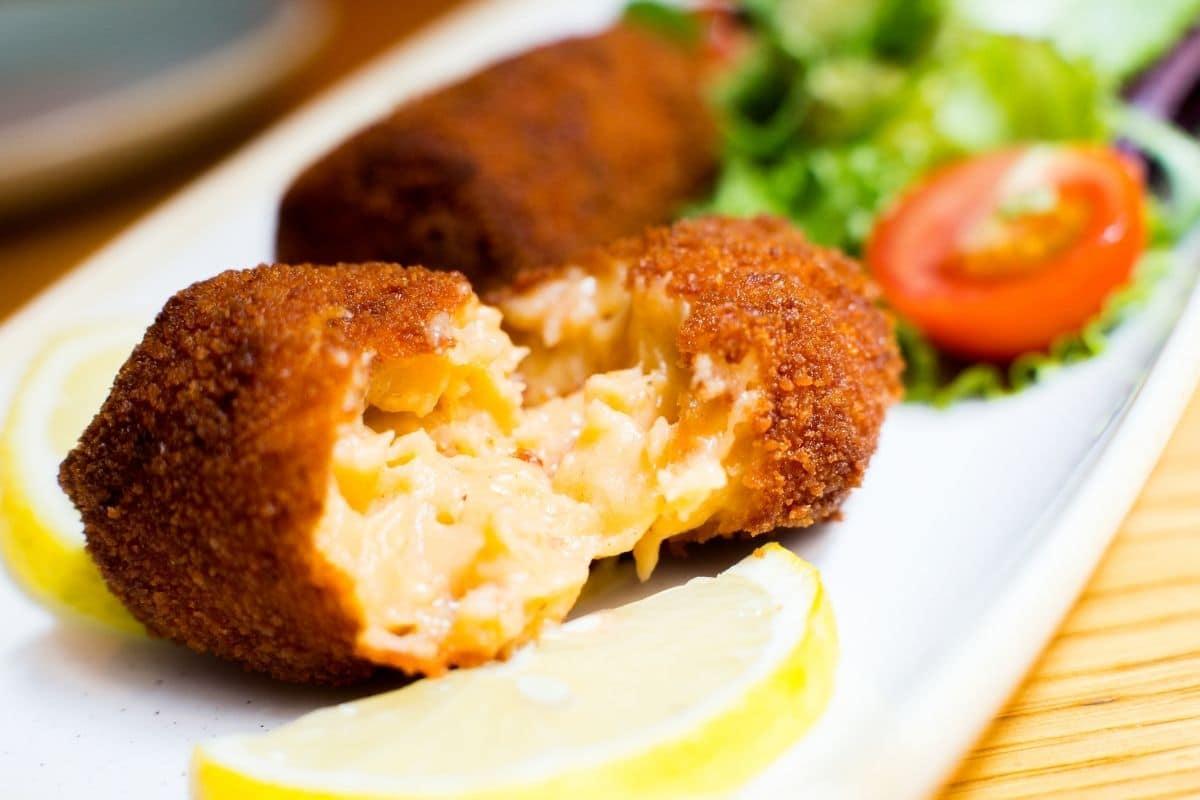
This dish is part of Andalusian cuisine. Croquettes are small fried balls that are crispy on the outside and melt in the mouth on the inside, served with a batter that resembles a thicker béchamel sauce and a variety of flavours: ham, mushrooms, spinach, chicken, etc.
12- Calamares del campos :
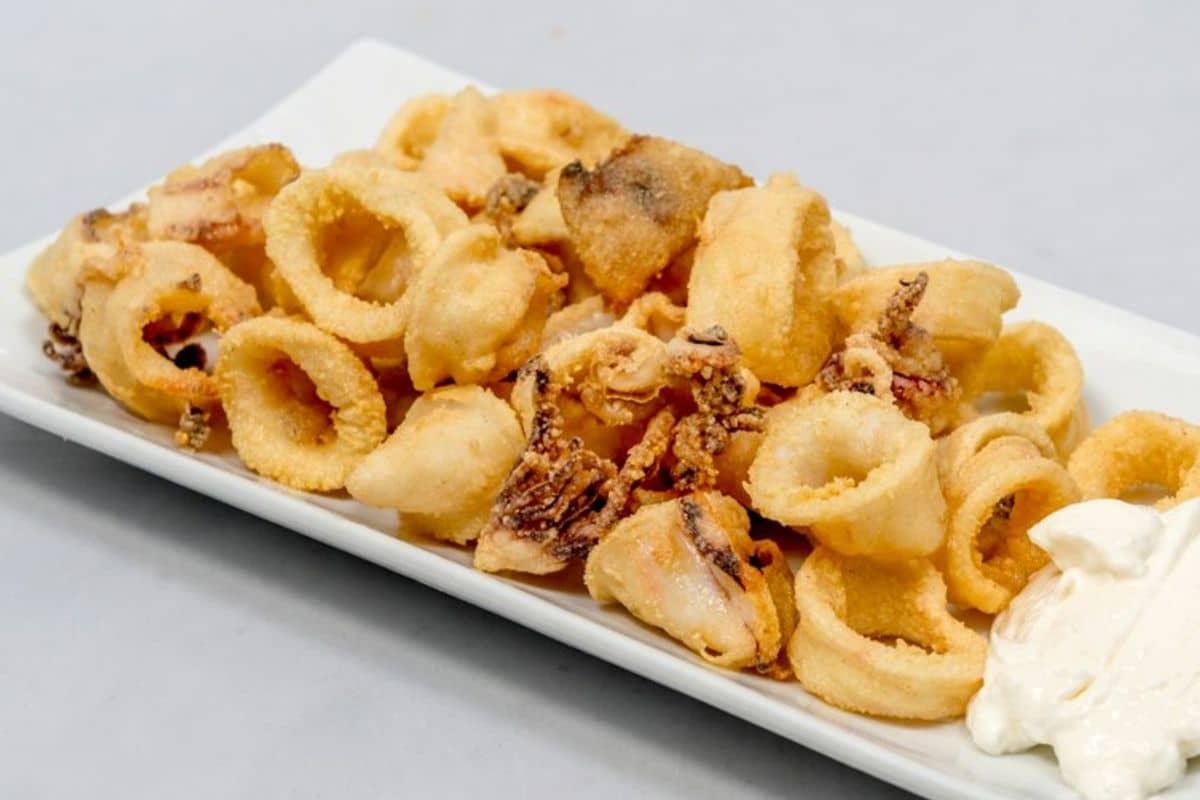
Be careful, you won't find squid when you order this dish. Rather, they are pieces of vegetable, mainly onions and peppers, stuffed and fried.
13- Puchero :
Lepuchero, or pot du feu, is similar to the French pot du feu. It is generally eaten in winter. It is a large broth in which beef, pork and chicken are cooked with bacon and bones, chickpeas and a few vegetables (carrots, turnips, celery, etc.).
14- Serranito :
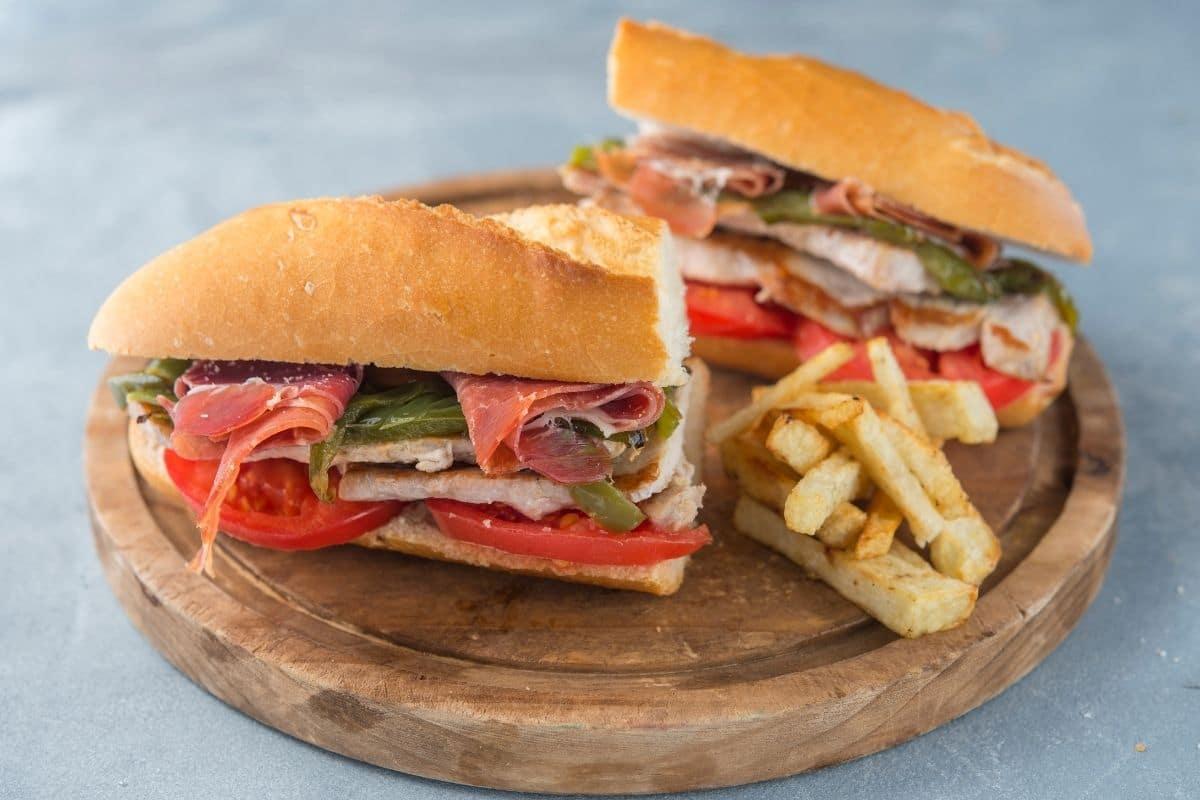
This is a traditional sandwich made with grilled pork or chicken, a fried green pepper, a slice of Serrano ham and tomatoes.
Restaurants in Seville :
During your trip to Seville, you won't have any problems when it comes to restaurants. You'll find them in every part of the beautiful city.
One of the best places to sample Andalusian cuisine is in the famous Santa Cruz district, which is a huge hit with tourists, offering a variety of Sevillian dishes at excellent value for money.
There's also the Triana district, where you can enjoy tapas. Then there's the Macarena district, a popular neighbourhood with the locals.
Below is a list of popular restaurants in Seville, so that you can make the most of your visit.
1- La Jarana
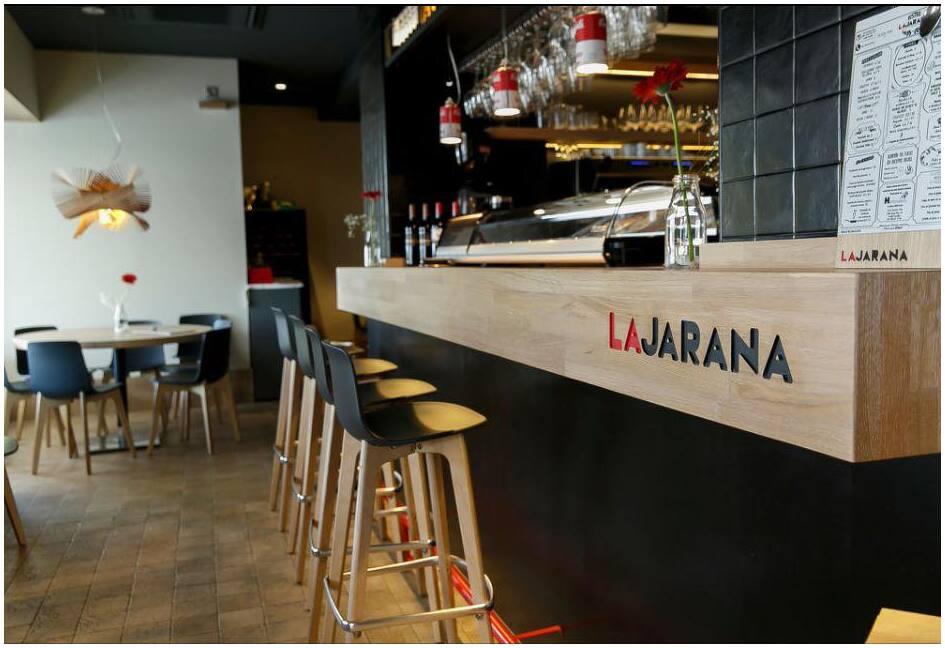
La Jarana is a famous restaurant in Seville. Its address is Avenida Kansas City 92 Edificio Granvia in the Santa Clara district. It offers an impressive menu of tapas, wild bull a la plancha, succulent cod dishes and other Andalusian culinary specialities. The food is always fresh and varied. The average price of a meal is around €23, including dessert. Wine is available by the glass or bottle. Credit cards are accepted at this restaurant.
2- Los Rincos del Marquès:
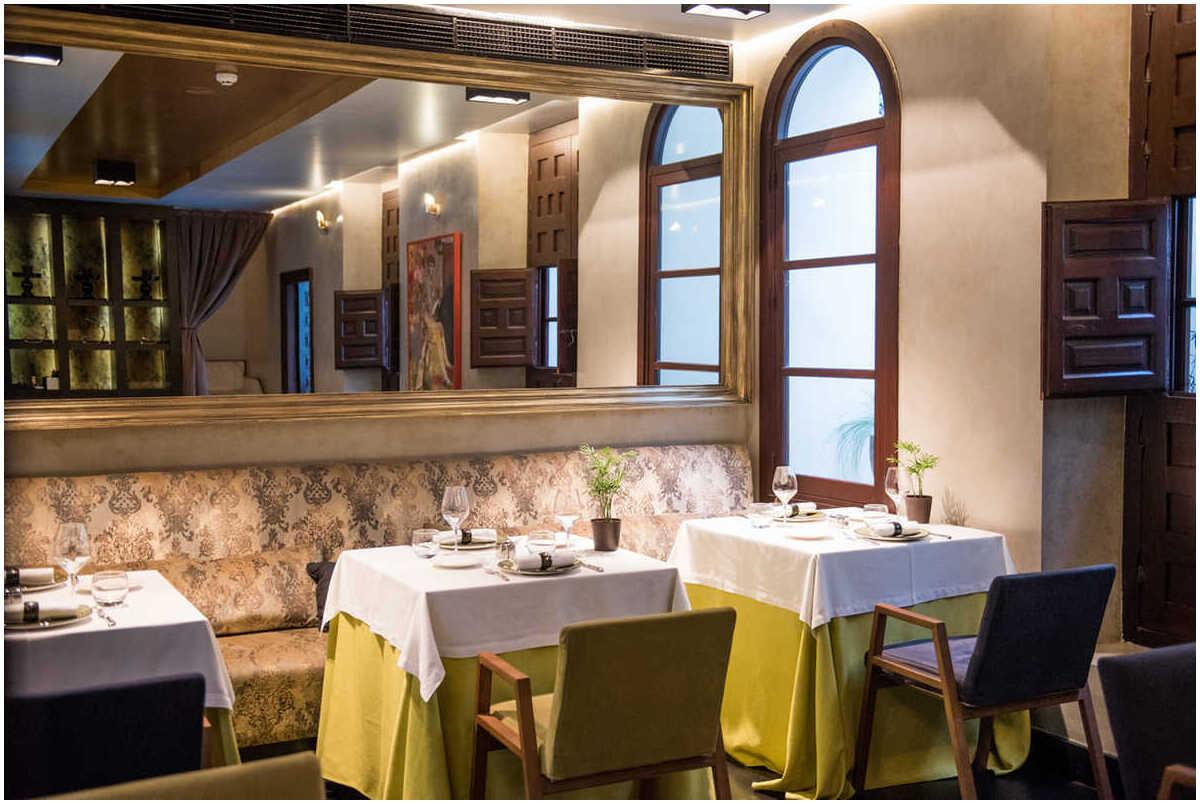
This restaurant is part of the Villapanès Palace Hotel, which is located in Calle Santiago. Here you can enjoy a black rizotto with chipirons or a delicious parillada, a mixture of fresh fish and other typical Seville dishes. The restaurant has a beautiful terrace with a decor that reflects the history of the Santa Cruz district. The average price for eating à la carte in this restaurant is around €45 per person. Credit cards are accepted.
3- El Tragaluz:
Tragaluz is a place where you can eat good, local and, above all, cheap. It is located close to Seville's Alcazar. Starters include mejillones with curry and coconut sauce, Sevillian-style pork and other traditional dishes. For dessert you can try Milhojas de crema and a light, delicious cheese mousse. The average price of a meal is around €18. The restaurant is fairly small and fills up quickly. Credit cards are accepted in the restaurant.
4- Ispal :
The Ispal restaurant is located in the Plaza San Sebastiàn, just a few minutes' walk from the University of Seville and the Alcazar. It has a very pleasant decor and a large terrace. It is worth mentioning that it is best to book in advance to secure a table. The restaurant offers a variety of dishes such as Gazpacho with tomatoes, olives and lupine seeds. You can also try the 100% Seville menu, accompanied by the city's traditional bread, which is truly excellent. We also recommend you try the Cochonillo. Credit cards are accepted in the restaurant.
5- La Terraza de Eme:
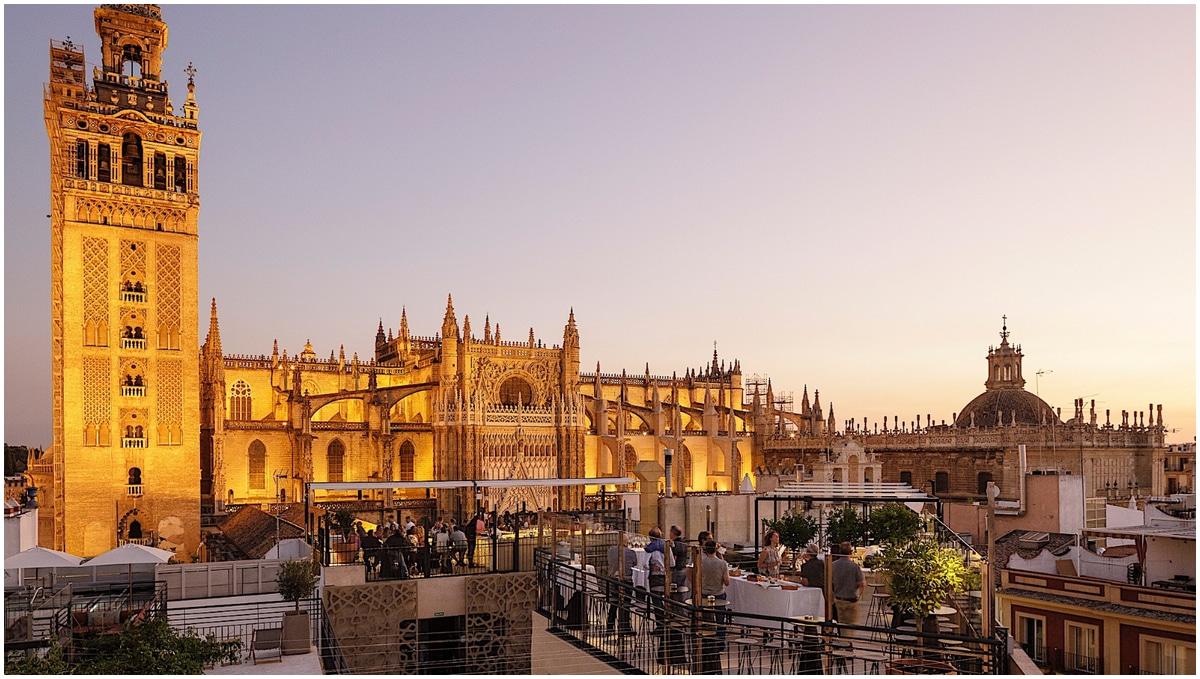
This is a restaurant with a view of the cathedral. It is located in Calle Alemanes. It offers a variety of gourmet dishes such as mackerel fillet with a basil and tomato jam, Almadraba tuna belly sashimi, veal fillet with a truffle jus. The average price of a meal in this restaurant is around €100 per person. Credit cards are accepted.
6- Casa Manolo Leon:
This is a Mediterranean speciality restaurant. It is located close to the Guadalquivir. It offers a variety of quality dishes made with fresh produce, in a magnificent setting with a magical garden. Another highlight of this restaurant is its romantic evenings, ideal for honeymooners and lovers.
7- Taberna del Alabardero:
This restaurant is located in Zaragoza and serves Andalusian dishes, especially rice with seafood. Its decor is typically traditional.
8- Donaire Azabache-Polavieja :
If you want to enjoy local cuisine, this is the restaurant for you. It offers classic dishes with a modern twist.
9- Manolo Leon:
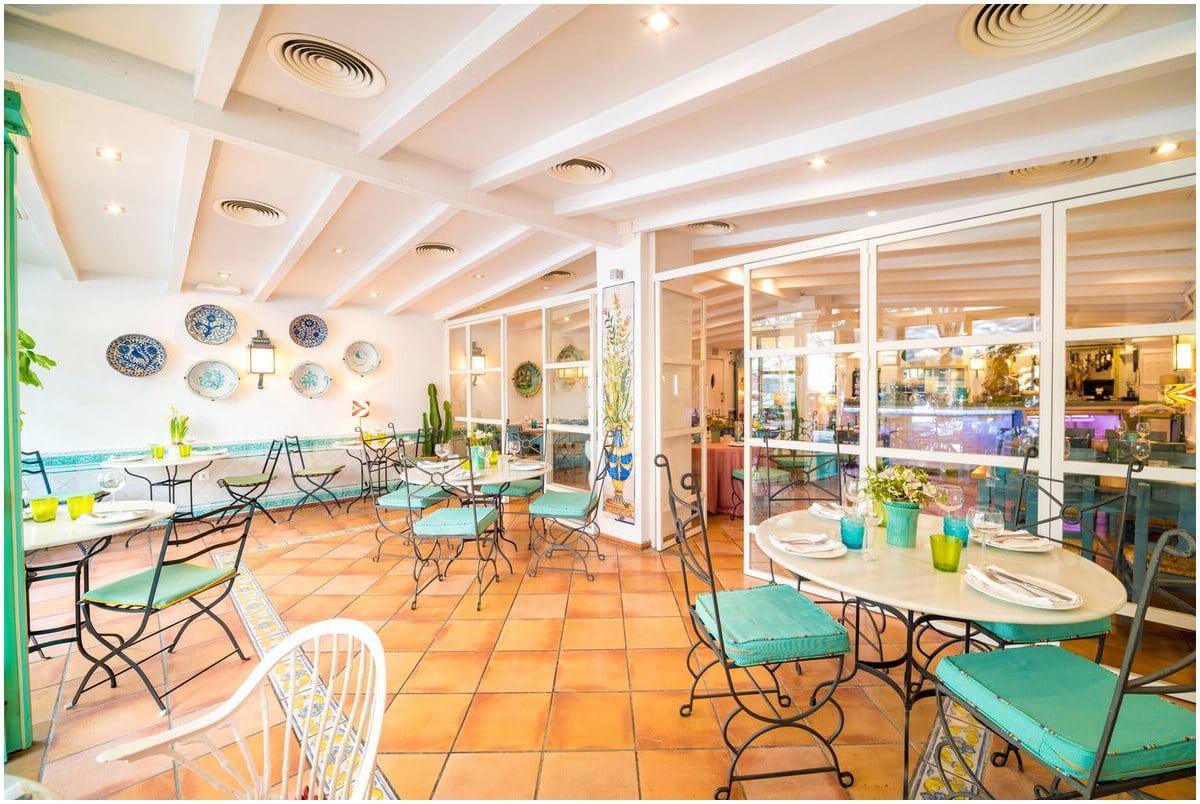
Manolo León is a restaurant housed in an old multi-storey house. It is characterised by its climbing plants, fountain, garden and orange tree. The restaurant offers a variety of Andalusian dishes, especially meat and fish. It is advisable to book in advance, especially during the summer months.
10- El Comercio :
This restaurant is famous for its Spanish Chocolate Con Churros. It is located in the heart of Seville. It is decorated with blue mosaics, period photos on the walls and small wooden tables. The bar was opened in 1904 and the interior appears to have remained unchanged since then.
Transport in Seville:
To make your visit to Seville even easier, here's what you need to know about transport in this city.
1- The metro:
Seville has a metro line with 22 stations. The main purpose of the line is to link the city centre with Seville's outer suburbs. A single ticket costs around €1.35.
2- Bus:
Seville has a bus network. Buses depart from Puerta de Jeres (in the south of the centre) or Plaza Ponce de Leon (to the east). The Plaza de las Armas is a bus station intended mainly for travel elsewhere. That is, to other Spanish cities.
Regional buses leave from San Sebastián's Prado bus station.
Bus tickets are available from the driver or from kiosks. A single ticket costs around €1.30.
To get to the city centre, take buses C1, C2, C3 and C4.
3- By train:
The train station is Santa Justa. The trains are for transport between Seville and other Spanish cities.
4- Taxis:
Taxis in Seville are always metered. Official taxis are white with a yellow line. It should be noted that a higher rate applies at night, at weekends and on public holidays. There are two ways to get a taxi, either from one of the many locations in each main square or by stopping in the street.
Seville airport:
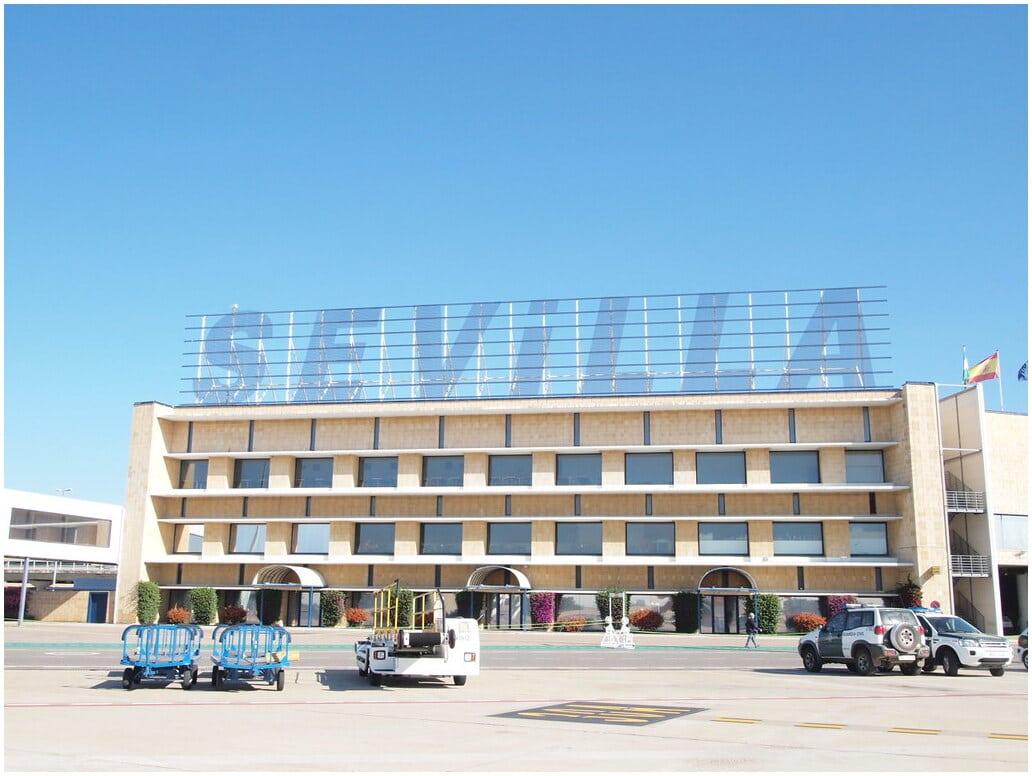
Seville airport is 9 kilometres east of the city. To get from the airport to the centre of Seville you have the following options:
1- Taxi:
A taxi will take you from the airport to Seville city centre in 15 to 20 minutes at a cost of around 30 euros.
2- Aeropuerto Especial bus:
This is a special bus that will take you from the airport to Seville city centre. The journey takes 30 minutes and costs 4 euros each way. The return journey costs 6 euros. The stops are: Avenida Kansas City, Luis de Morales, San Bernardo, Busstation Prado de San Sebastián, Paseo de Colón (near Torre del Oro), and the terminal bus station Plaza de Armas.
See also:
Seville, 15 not-to-be-missed experiences in the Andalusian capital